
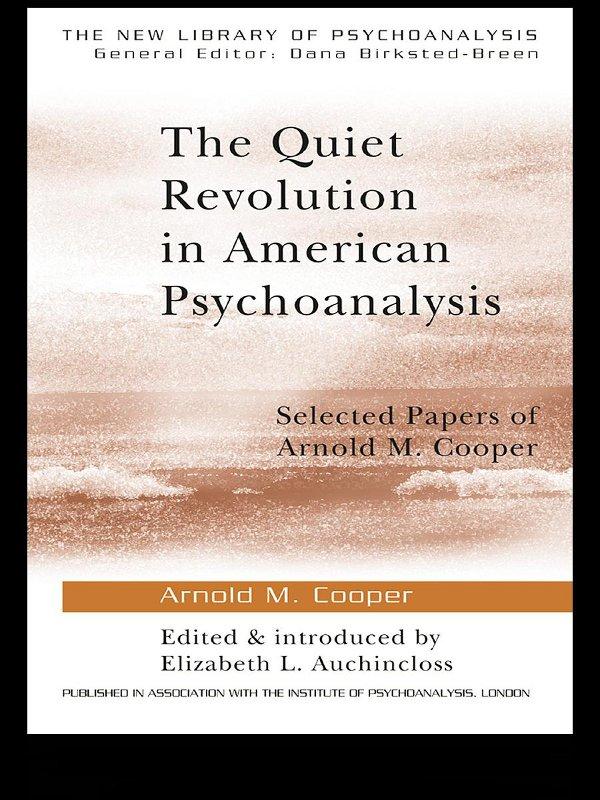
This book brings together for the first time in one volume selected papers by one of the leading contemporary intellectual figures in the field of psychoanalysis, Arnold M. Cooper M.D.
Cooper has addressed every aspect of American psychoanalytic life: theory, clinical work, education, research, the interface with neighboring disciplines, and the institutional life of the profession. In these papers, he both documents and critiques what he calls a 'Quiet Revolution' following the death of Freud, in the way psychoanalysis is conceived: as a science, as a theory of mental life, as a treatment, as a profession.
Throughout his professional life, the process of change has fascinated Cooper. His own contributions to psychoanalytic clinical theory have changed our understanding of work with patients to include a greater appreciation of narcissistic and pre-oedipal themes in development and of the human encounter embedded in the psychoanalytic situation. His progressive leadership in our educational and professional organizations has done much to promote change toward greater self-examination and tolerance of new ideas, and indeed, to create the conditions that make change possible.
Above all, Cooper's unique ability to observe and reflect upon the process of change, recorded here in papers selected from over 150 written in the years between 1947 and 2002, has helped make Cooper the guide to whom psychoanalysts repeatedly turn to understand not only where, but even what, psychoanalysis is.
Betal nemt med kort, Klarna, Apple Pay eller Google Pay. Ikke tilfreds? Du har altid 14 dages fortrydelsesret. Læs mere i vores vilkår. Har du spørgsmål, så send os en mail på hello@memmo.org.
Memmo gør det nemmere at studere – uanset hvor du er i verden. Hos os samler du dine kursusbøger og smarte studieværktøjer ét sted: resuméer, quizzer, podcasts og flashcards. Og så er der Ted, din studieven, der svarer på alt, du undrer dig over. Over 50 000 studerende studerer allerede her – bygget til at hjælpe dig med at lære hurtigere og stresse mindre.