
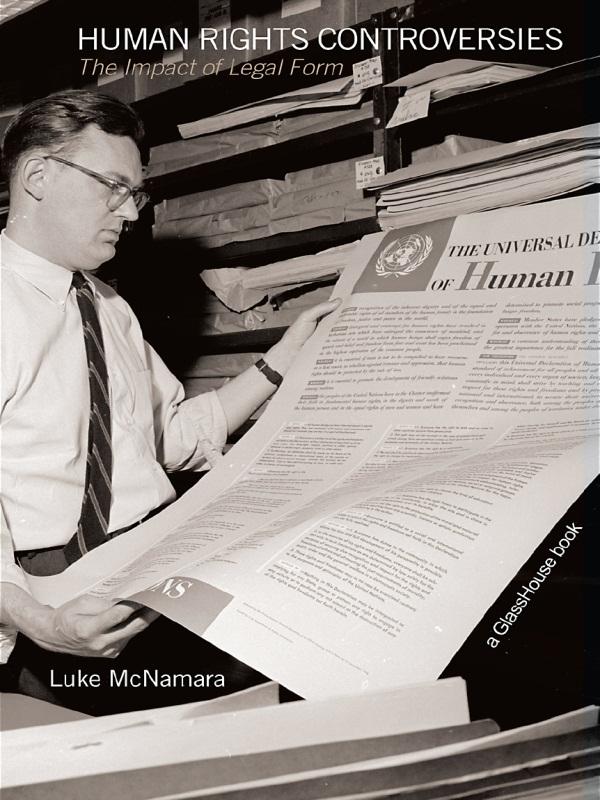
Many countries confront similar human rights controversies, but, despite the claimed universality of human rights values they are not always resolved in the same way. Why? What role do local legal conditions play? Is human rights discourse more potent where rights are constitutionally entrenched, rather than where there is a tradition of respect for underlying human rights values but no bill of rights?
Comparative socio-legal examination of three recent controversies - double jeopardy reform, recognition of same-sex relationships and the operation of hate speech laws - in four countries - Australia, Canada, New Zealand and the United Kingdom provides answers to these questions.
Examination of these controversies suggests that differences in the design of domestic legal institutions and procedures for the injection of human rights values into legal decision-making processes can have a powerful effect on the manner in which human rights issues are constructed, handled and resolved.
Betal nemt med kort, Klarna, Apple Pay eller Google Pay. Ikke tilfreds? Du har altid 14 dages fortrydelsesret. Læs mere i vores vilkår. Har du spørgsmål, så send os en mail på hello@memmo.org.
Memmo gør det nemmere at studere – uanset hvor du er i verden. Hos os samler du dine kursusbøger og smarte studieværktøjer ét sted: resuméer, quizzer, podcasts og flashcards. Og så er der Ted, din studieven, der svarer på alt, du undrer dig over. Over 50 000 studerende studerer allerede her – bygget til at hjælpe dig med at lære hurtigere og stresse mindre.