
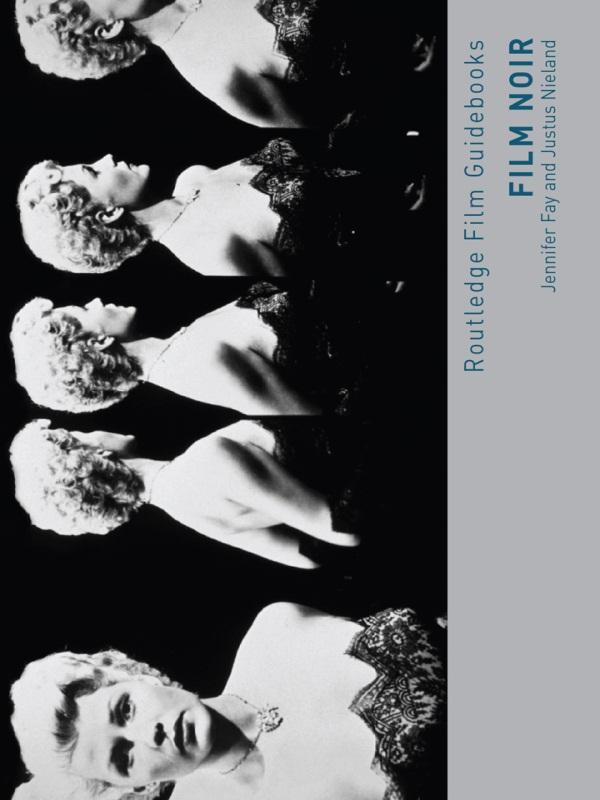
The term "film noir" still conjures images of a uniquely American malaise: hard-boiled detectives, fatal women, and the shadowy hells of urban life. But from its beginnings, film noir has been an international phenomenon, and its stylistic icons have migrated across the complex geo-political terrain of world cinema. This book traces film noir’s emergent connection to European cinema, its movement within a cosmopolitan culture of literary and cinematic translation, and its postwar consolidation in the US, Europe, Asia, the Middle East, and Latin America.
The authors examine how film noir crosses national boundaries, speaks to diverse international audiences, and dramatizes local crimes and the crises of local spaces in the face of global phenomena like world-wide depression, war, political occupation, economic and cultural modernization, decolonization, and migration. This fresh study of film noir and global culture also discusses film noir’s heterogeneous style and revises important scholarly debates about this perpetually alluring genre.
Betal nemt med kort, Klarna, Apple Pay eller Google Pay. Ikke tilfreds? Du har altid 14 dages fortrydelsesret. Læs mere i vores vilkår. Har du spørgsmål, så send os en mail på hello@memmo.org.
Memmo gør det nemmere at studere – uanset hvor du er i verden. Hos os samler du dine kursusbøger og smarte studieværktøjer ét sted: resuméer, quizzer, podcasts og flashcards. Og så er der Ted, din studieven, der svarer på alt, du undrer dig over. Over 50 000 studerende studerer allerede her – bygget til at hjælpe dig med at lære hurtigere og stresse mindre.