
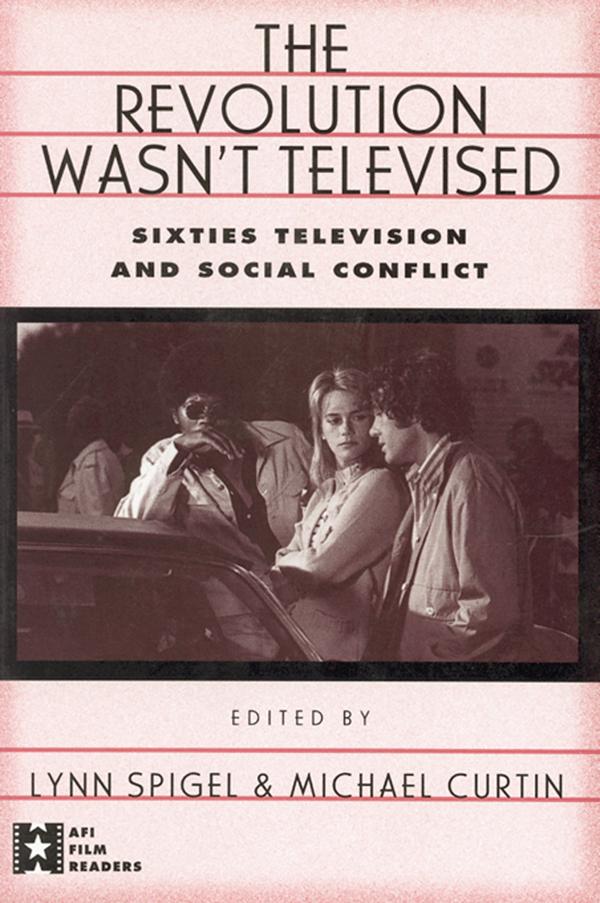
Caricatures of sixties television--called a "vast wasteland" by the FCC president in the early sixties--continue to dominate our perceptions of the era and cloud popular understanding of the relationship between pop culture and larger social forces. Opposed to these conceptions, The Revolution Wasn't Televised explores the ways in which prime-time television was centrally involved in the social conflicts of the 1960s. It was then that television became a ubiquitous element in American homes. The contributors in this volume argue that due to TV's constant presence in everyday life, it became the object of intense debates over childraising, education, racism, gender, technology, politics, violence, and Vietnam. These essays explore the minutia of TV in relation to the macro-structure of sixties politics and society, attempting to understand the struggles that took place over representation the nation's most popular communications media during the 1960s.
Betal nemt med kort, Klarna, Apple Pay eller Google Pay. Ikke tilfreds? Du har altid 14 dages fortrydelsesret. Læs mere i vores vilkår. Har du spørgsmål, så send os en mail på hello@memmo.org.
Memmo gør det nemmere at studere – uanset hvor du er i verden. Hos os samler du dine kursusbøger og smarte studieværktøjer ét sted: resuméer, quizzer, podcasts og flashcards. Og så er der Ted, din studieven, der svarer på alt, du undrer dig over. Over 50 000 studerende studerer allerede her – bygget til at hjælpe dig med at lære hurtigere og stresse mindre.