
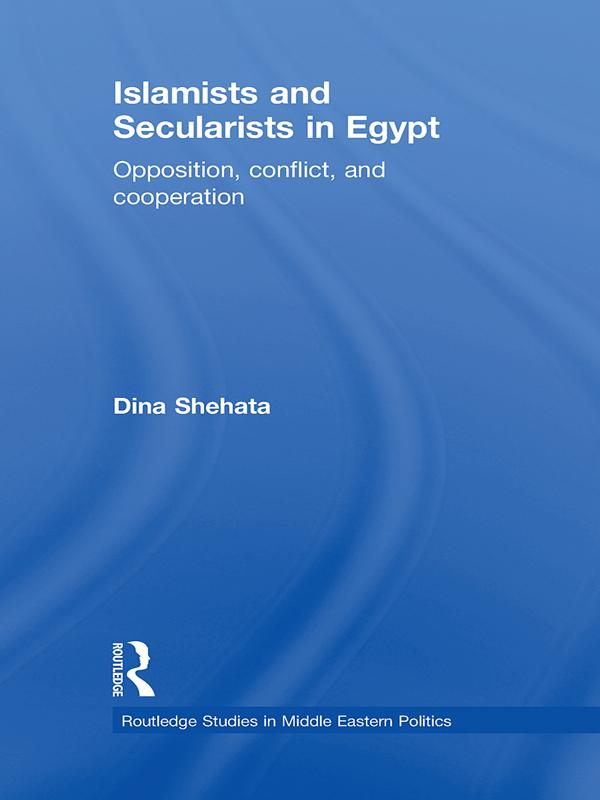
In a detailed analysis of the continued survival of authoritarian governments in the Arab world, this book uses Egypt as a case study to address the timely and complex issue of democratization in the Middle East.
This book examines how relations between different actors in the Egyptian opposition have contributed to the endurance of authoritarianism in Egypt over the past three decades. The author argues that the longevity of the authoritarian government is not only a function of the strength and cohesion of the regime, but is also related to the weaknesses and divisions between opposition groupings, particularly between Islamists and non-Islamists. Looking at how such ideological differences and mobilizational asymmetries have impeded successful cooperation between different opposition groups, and how this allows the authoritarian regime to successfully ensure its continued hegemony, the author illustrates the extent to which opposition strategies profoundly affect successful transitions to democracy in the Arab world.
Highlighting the main obstacles to democratic political reform in the region, the author provides important insights for the promotion of democracy in the region which will be a valuable addition to the literature on Middle Eastern politics and government.
Betal nemt med kort, Klarna, Apple Pay eller Google Pay. Ikke tilfreds? Du har altid 14 dages fortrydelsesret. Læs mere i vores vilkår. Har du spørgsmål, så send os en mail på hello@memmo.org.
Memmo gør det nemmere at studere – uanset hvor du er i verden. Hos os samler du dine kursusbøger og smarte studieværktøjer ét sted: resuméer, quizzer, podcasts og flashcards. Og så er der Ted, din studieven, der svarer på alt, du undrer dig over. Over 50 000 studerende studerer allerede her – bygget til at hjælpe dig med at lære hurtigere og stresse mindre.