
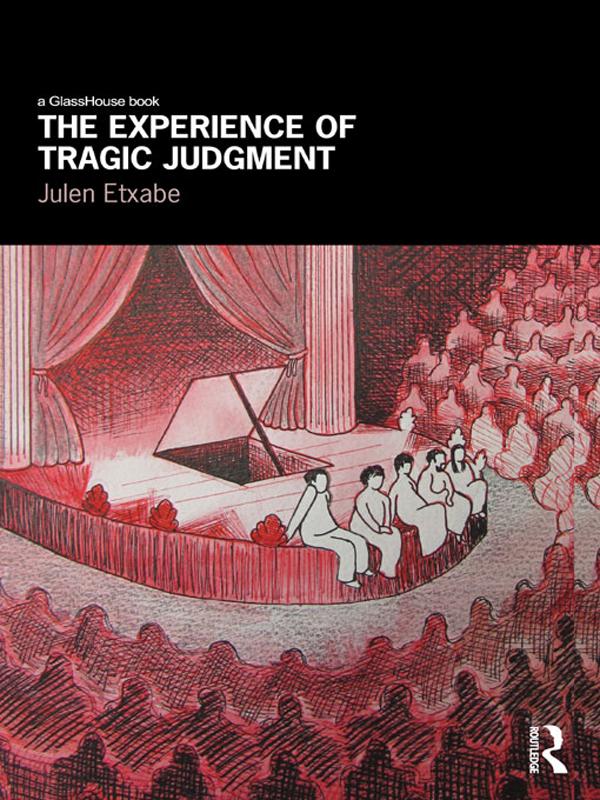
Adjudication between conflicting normative universes that do not share the same vocabulary, standards of rationality, and moral commitments cannot be resolved by recourse to traditional principles. Such cases are always in a sense tragic. And what is called for, in our pluralistic and conflictual world is not to be found, as many would suppose, in an impersonal set of procedures with which all participants could be treated as having rationally agreed. The very idea of such a neutral system is an illusion. Rather, what is needed, Julen Etxabe argues in this book, is a heightened awareness of the difficulty of judgment. The Experience of Tragic Judgments draws upon Sophocles’ play Antigone in order to consider this difficulty and the virtues that attend its acknowledgment. Based on the transformative experience that the audience undergoes in engaging with this play what is proposed is a reconceptualization of judgment: not as it is generally thought to occur in a single isolated moment, like the falling of an axe, but rather as an experience that develops in and through space and time.
Betal nemt med kort, Klarna, Apple Pay eller Google Pay. Ikke tilfreds? Du har altid 14 dages fortrydelsesret. Læs mere i vores vilkår. Har du spørgsmål, så send os en mail på hello@memmo.org.
Memmo gør det nemmere at studere – uanset hvor du er i verden. Hos os samler du dine kursusbøger og smarte studieværktøjer ét sted: resuméer, quizzer, podcasts og flashcards. Og så er der Ted, din studieven, der svarer på alt, du undrer dig over. Over 50 000 studerende studerer allerede her – bygget til at hjælpe dig med at lære hurtigere og stresse mindre.