
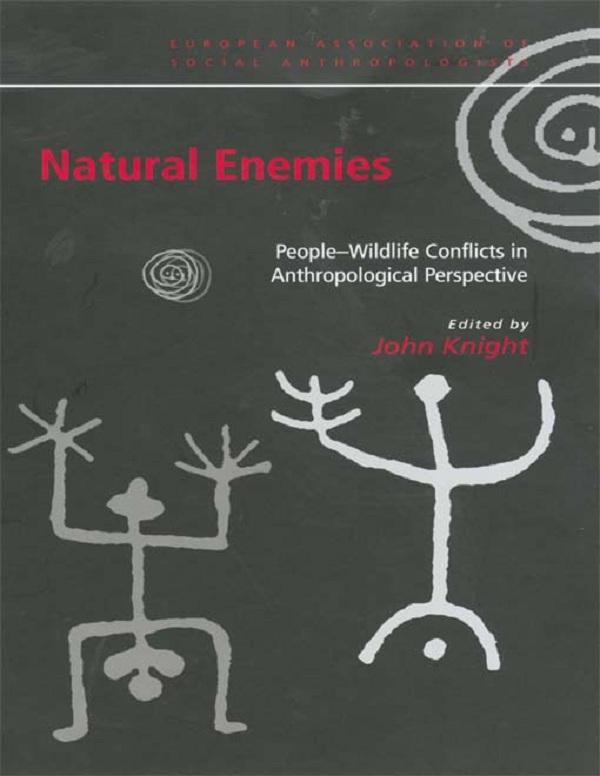
Wild animals raid crops, attack livestock, and sometimes threaten people. Conflicts with wildlife are widespread, assume a variety of forms, and elicit a range of human responses. Wildlife pests are frequently demonized and resisted by local communities while routinely 'controlled' by state authorities. However, to the great concern of conservationists, the history of many people-wildlife conflicts lies in human encroachment into wildlife territory.
In Natural Enemies the authors place the analytical focus on the human dimension of these conflicts - an area often neglected by specialists in applied ecology and wildlife management - and on their social and political contexts. Case studies of specific conflicts are drawn from Africa, Asia, Europe and America, and feature an assortment of wild animals, including chimpanzees, elephants, wild pigs, foxes, bears, wolves, pigeons and ducks.
These anthropologists challenge the narrow utilitarian view of wildlife pestilence by revealing the cultural character of many of our 'natural enemies'. Their reports from the 'front-line' expose one fact - human conflict with wildlife is often an expression of conflict between people.
Betal nemt med kort, Klarna, Apple Pay eller Google Pay. Ikke tilfreds? Du har altid 14 dages fortrydelsesret. Læs mere i vores vilkår. Har du spørgsmål, så send os en mail på hello@memmo.org.
Memmo gør det nemmere at studere – uanset hvor du er i verden. Hos os samler du dine kursusbøger og smarte studieværktøjer ét sted: resuméer, quizzer, podcasts og flashcards. Og så er der Ted, din studieven, der svarer på alt, du undrer dig over. Over 50 000 studerende studerer allerede her – bygget til at hjælpe dig med at lære hurtigere og stresse mindre.