
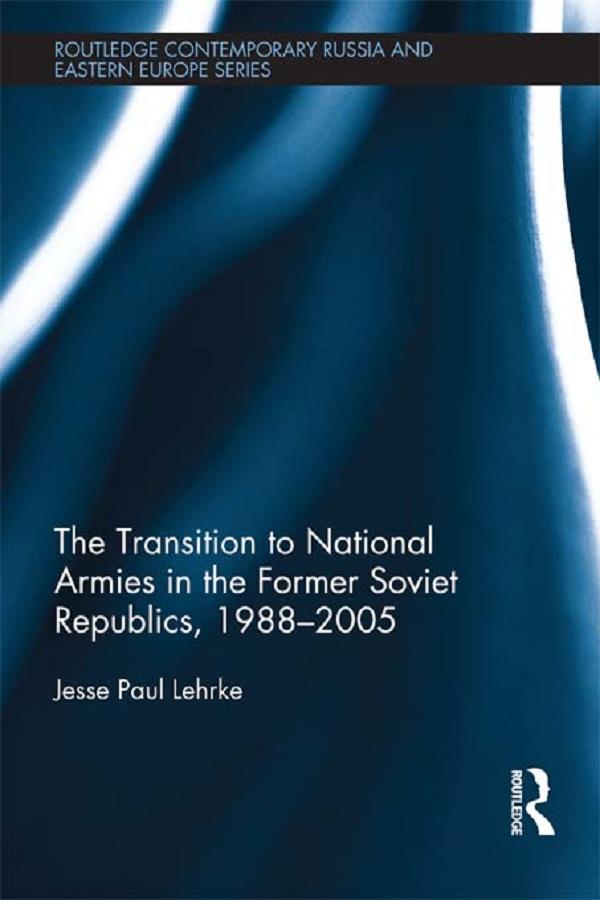
This book looks at the militaries of the late-Soviet and post-Soviet republics. Beginning with the end of the Soviet era, it recognises that the successor states did not spring from nowhere, but inherited a legacy that influenced all that followed. The book discusses how politicians control the instruments that are the manifestation of the state’s monopoly on violence, and how society views and supports the military. By taking a bottom up empirical approach that examines the personnel, leaders, organisations and institutions, and their outlook and attitudes, the book presents a comprehensive picture of the armed forces, showing how the armed forces are very significantly shaped by the surrounding political and social environment. The book goes on to examine the armed forces in action, and highlights that to truly understand the militaries, studies need to go beyond looking at the static structures.
Betal nemt med kort, Klarna, Apple Pay eller Google Pay. Ikke tilfreds? Du har altid 14 dages fortrydelsesret. Læs mere i vores vilkår. Har du spørgsmål, så send os en mail på hello@memmo.org.
Memmo gør det nemmere at studere – uanset hvor du er i verden. Hos os samler du dine kursusbøger og smarte studieværktøjer ét sted: resuméer, quizzer, podcasts og flashcards. Og så er der Ted, din studieven, der svarer på alt, du undrer dig over. Over 50 000 studerende studerer allerede her – bygget til at hjælpe dig med at lære hurtigere og stresse mindre.