
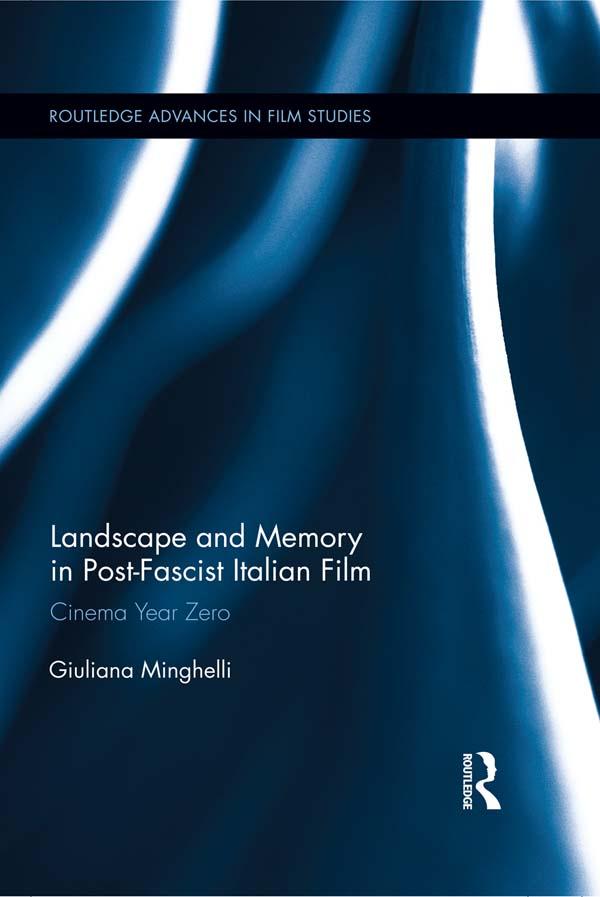
This study argues that neorealism’s visual genius is inseparable from its almost invisible relation to the Fascist past: a connection inscribed in cinematic landscapes. While largely a silent narrative, neorealism’s complex visual processing of two decades of Fascism remains the greatest cultural production in the service of memorialization and comprehension for a nation that had neither a Nuremberg nor a formal process of reconciliation. Through her readings of canonical neorealist films, Minghelli unearths the memorial strata of the neorealist image and investigates the complex historical charge that invests this cinema. This book is both a formal analysis of the new conception of the cinematic image born from a crisis of memory, and a reflection on the relation between cinema and memory. Films discussed include Ossessione (1943) Paisà (1946), Ladri di biciclette (1948), and Cronaca di un amore (1950).
Betal nemt med kort, Klarna, Apple Pay eller Google Pay. Ikke tilfreds? Du har altid 14 dages fortrydelsesret. Læs mere i vores vilkår. Har du spørgsmål, så send os en mail på hello@memmo.org.
Memmo gør det nemmere at studere – uanset hvor du er i verden. Hos os samler du dine kursusbøger og smarte studieværktøjer ét sted: resuméer, quizzer, podcasts og flashcards. Og så er der Ted, din studieven, der svarer på alt, du undrer dig over. Over 50 000 studerende studerer allerede her – bygget til at hjælpe dig med at lære hurtigere og stresse mindre.