
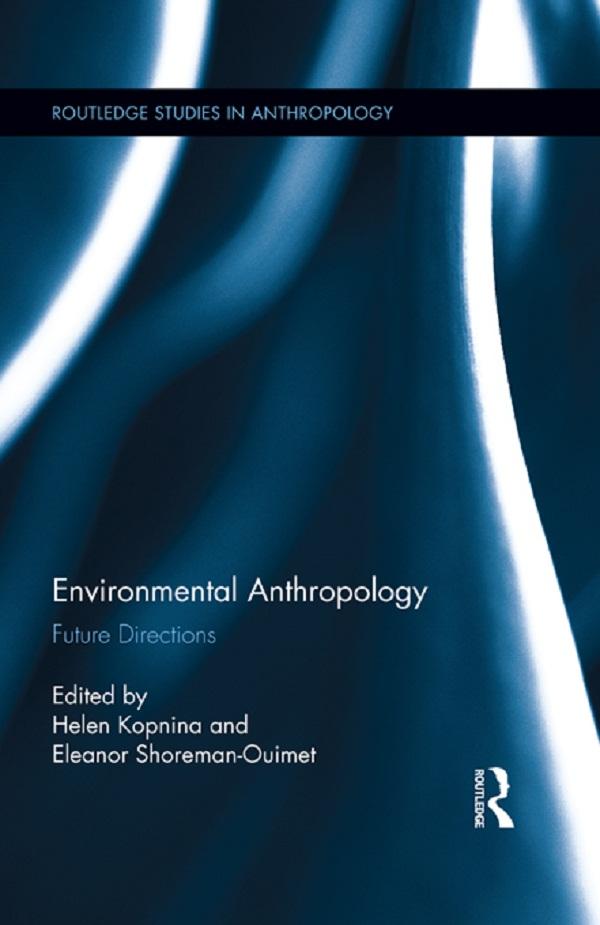
This volume presents new theoretical approaches, methodologies, subject pools, and topics in the field of environmental anthropology. Environmental anthropologists are increasingly focusing on self-reflection - not just on themselves and their impacts on environmental research, but also on the reflexive qualities of their subjects, and the extent to which these individuals are questioning their own environmental behavior. Here, contributors confront the very notion of "natural resources" in granting non-human species their subjectivity and arguing for deeper understanding of "nature," and "wilderness" beyond the label of "ecosystem services." By engaging in interdisciplinary efforts, these anthropologists present new ways for their colleagues, subjects, peers and communities to understand the causes of, and alternatives to environmental destruction. This book demonstrates that environmental anthropology has moved beyond the construction of rural, small group theory, entering into a mode of solution-based methodologies and interdisciplinary theories for understanding human-environmental interactions. It is focused on post-rural existence, health and environmental risk assessment, on the realm of alternative actions, and emphasizes the necessary steps towards preventing environmental crisis.
Betal nemt med kort, Klarna, Apple Pay eller Google Pay. Ikke tilfreds? Du har altid 14 dages fortrydelsesret. Læs mere i vores vilkår. Har du spørgsmål, så send os en mail på hello@memmo.org.
Memmo gør det nemmere at studere – uanset hvor du er i verden. Hos os samler du dine kursusbøger og smarte studieværktøjer ét sted: resuméer, quizzer, podcasts og flashcards. Og så er der Ted, din studieven, der svarer på alt, du undrer dig over. Over 50 000 studerende studerer allerede her – bygget til at hjælpe dig med at lære hurtigere og stresse mindre.