
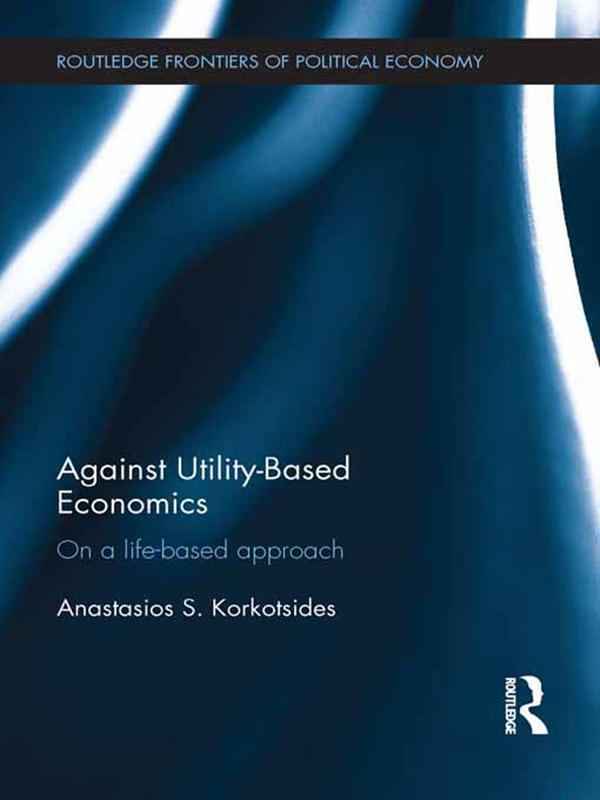
Utility-based theory and the fallback choice-theoretic framework are shown to be biased, irremediably flawed and misleading. A radically different theory of value and of consumer behaviour is proposed based on existential interpretations of scarcity, value and self-interest. For self-conscious mortals, only time is scarce. All other is derivative scarcity. Value is in the life, as a knowledge extract of time, which goes into commodities as direct human labour and depreciated capital, through their production. By structuring their preferences, consumers try to confiscate more of such value per unit of expended income, extending their social presence, soothing their angst and gaining power over each other. This raises output and makes gains cancel out. Negative psychological externalities preclude any well-being or social-welfare type conclusion.
These resolve a number of long-standing issues: endogenously generated growth, the micro-macro connection, the price mechanism, crises, unemployment, etc. Equilibrium is of a low-potential kind, not of a force-balancing one, and it is unique, reachable and stable. The relevant analytics involve purely economic, non-psychological entities. Consumer behaviour is grounded on a well-defined, structure-based decision criterion and on observably measurable magnitudes, only. The social ramifications of the two juxtaposed perspectives are discussed at length.
Betal nemt med kort, Klarna, Apple Pay eller Google Pay. Ikke tilfreds? Du har altid 14 dages fortrydelsesret. Læs mere i vores vilkår. Har du spørgsmål, så send os en mail på hello@memmo.org.
Memmo gør det nemmere at studere – uanset hvor du er i verden. Hos os samler du dine kursusbøger og smarte studieværktøjer ét sted: resuméer, quizzer, podcasts og flashcards. Og så er der Ted, din studieven, der svarer på alt, du undrer dig over. Over 50 000 studerende studerer allerede her – bygget til at hjælpe dig med at lære hurtigere og stresse mindre.