
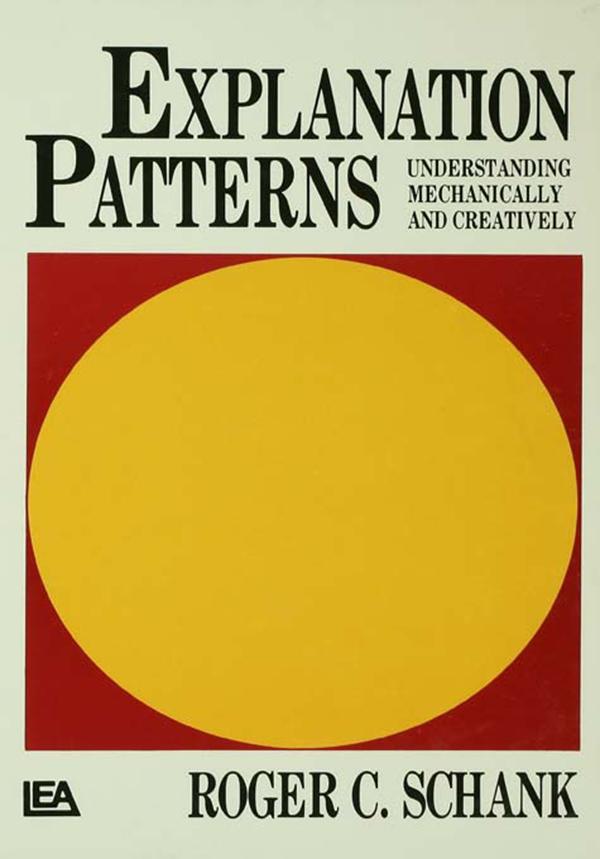
First Published in 1986. In the age of the computer, conjecture about things mechanical has naturally led to the question of whether machines can think. As the emphasis on Artificial Intelligence (AI) has grown rapidly, questions about machine intelligence have begun to have a certain urgency. The question we are concerned with in this book is: If we can find a set of processes that machines can slavishly follow, and if by so doing, these machines can come up with creative thoughts, what would that tell us about human beings? If the machine's procedure was adapted from a human procedure, that is, if all the machine was doing was what we know people are doing, would we abandon our inherent skepticism about the abilities of machines, or would we demystify our inherent admiration for things human? In a sense, these are the issues dealt with in this book. The author says in a sense because this book is no way a philosophical treatise. Rather it is an exercise in Artificial Intelligence and in Cognitive Science, it is an attempt to come to understand one of the most complex problems of mind by examining some of the mechanisms of mind: to define the apparatus that underlies our ability to think.
Betal nemt med kort, Klarna, Apple Pay eller Google Pay. Ikke tilfreds? Du har altid 14 dages fortrydelsesret. Læs mere i vores vilkår. Har du spørgsmål, så send os en mail på hello@memmo.org.
Memmo gør det nemmere at studere – uanset hvor du er i verden. Hos os samler du dine kursusbøger og smarte studieværktøjer ét sted: resuméer, quizzer, podcasts og flashcards. Og så er der Ted, din studieven, der svarer på alt, du undrer dig over. Over 50 000 studerende studerer allerede her – bygget til at hjælpe dig med at lære hurtigere og stresse mindre.
Du kan måske også lide
Køb bogen0