
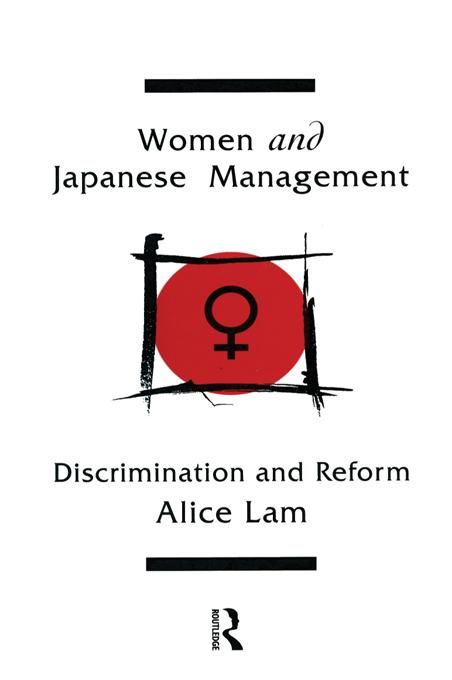
Standard works on the employment systems of Japanese companies deal almost exclusively with men. Women, however, constitute the vast majority of the low wage, highly flexible "non-core" employees.
This book breaks new ground in examining the role of Japanese women in industry. It assesses the extent to which growing pressure for equal opportunities between the sexes has caused Japanese companies to adapt their employment and personnel management practices in recent years.
The author puts the argument in an historical perspective, covering the employment of Japanese women from the start of Japan's industrialisation up to the turning point of the 1986 Equal Employment Opportunity (EEO) Law. She examines the background and execution of the legislation and she looks at the response of the business community. In her case study of the Seibu department store, which takes up the final part of the book, Lam concludes that the EEO Law has not had the desired effect.
Sider: 304
Kategori: Kultur-, Genus- & Postkoloniala studier
e-ISBN: 9781134923472
Forsendelsesvægt: 1.2 kg
Sendes inden for: 1-2 dage
Betal nemt med kort, Klarna, Apple Pay eller Google Pay. Ikke tilfreds? Du har altid 14 dages fortrydelsesret. Læs mere i vores vilkår. Har du spørgsmål, så send os en mail på hello@memmo.org.
Memmo gør det nemmere at studere – uanset hvor du er i verden. Hos os samler du dine kursusbøger og smarte studieværktøjer ét sted: resuméer, quizzer, podcasts og flashcards. Og så er der Ted, din studieven, der svarer på alt, du undrer dig over. Over 50 000 studerende studerer allerede her – bygget til at hjælpe dig med at lære hurtigere og stresse mindre.
Du kan måske også lide
Køb bogen0