
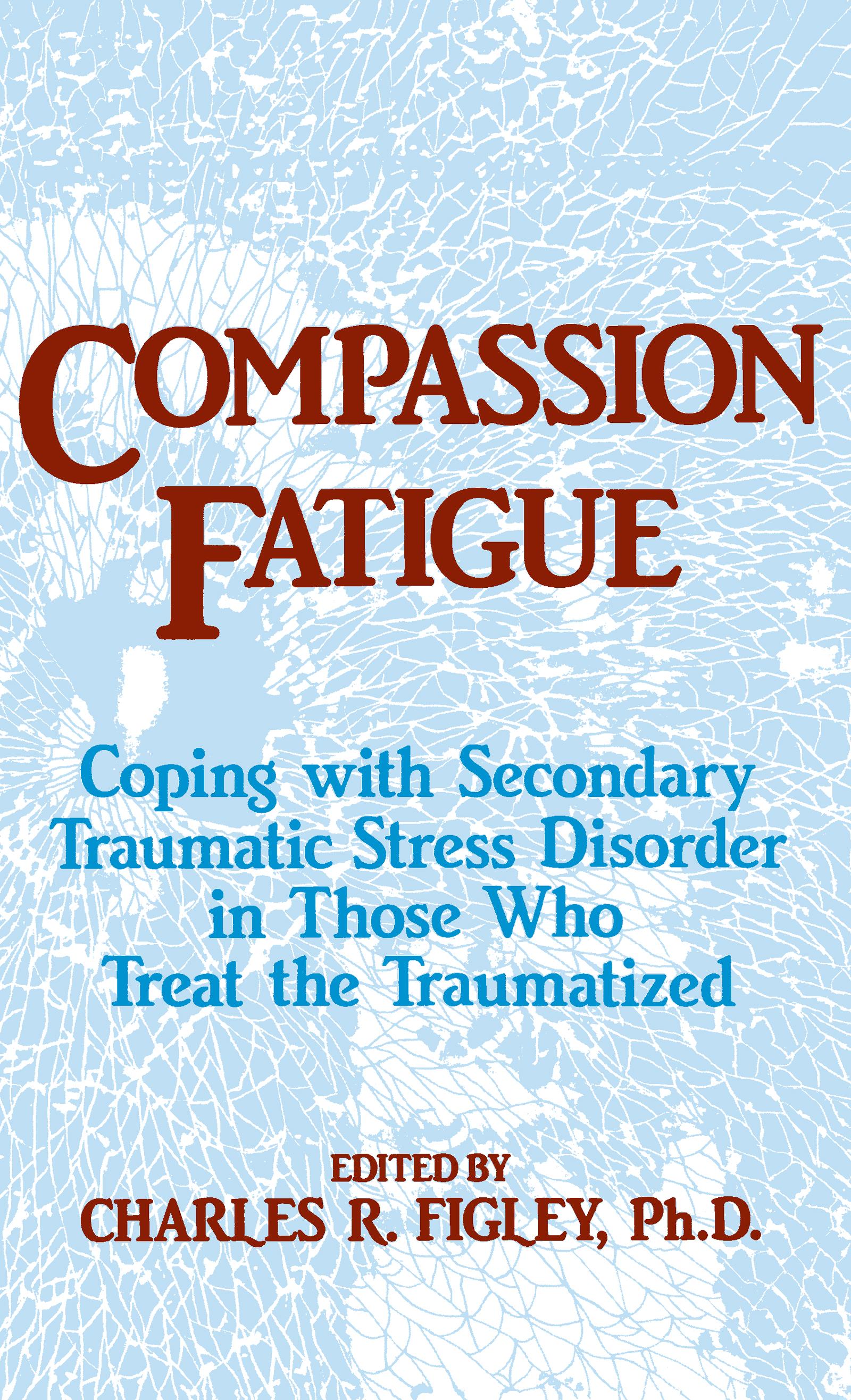
First published in 1995. Traumatology, or the field of traumatic stress studies, has become a dominant focus of interest in the mental health fields only in the past decade. Yet the origin of the study of human reactions to traumatic events can be traced to the earliest medical writings in Kunus Pyprus, published in 1900 B.C. in Egypt. Many factors account for the recent emergence of this field, including a growing awareness of the long-term consequences of shocking events. Among these consequences are violence toward others, extraordinary depression, dysfunctional behavior, and a plethora of medical maladies associated with emotional stress. This is the latest in a series of books that have focused on the immediate and long-term consequences of highly stressful events. The purposes of the book, then, are (a) to introduce the concept of compassion fatigue as a natural and disruptive by-product of working with traumatized and troubled clients; (b) to provide a theoretical basis for the assessment and treatment of compassion stress and compassion fatigue: (c) to explain the difference between compassion fatigue and PTSD, burnout, and countertransference; (d) to identify innovative methods for treating compassion fatigue in therapists, and (e) to suggest methods for preventing compassion fatigue.
Betal nemt med kort, Klarna, Apple Pay eller Google Pay. Ikke tilfreds? Du har altid 14 dages fortrydelsesret. Læs mere i vores vilkår. Har du spørgsmål, så send os en mail på hello@memmo.org.
Memmo gør det nemmere at studere – uanset hvor du er i verden. Hos os samler du dine kursusbøger og smarte studieværktøjer ét sted: resuméer, quizzer, podcasts og flashcards. Og så er der Ted, din studieven, der svarer på alt, du undrer dig over. Over 50 000 studerende studerer allerede her – bygget til at hjælpe dig med at lære hurtigere og stresse mindre.
Du kan måske også lide
Køb bogen0