
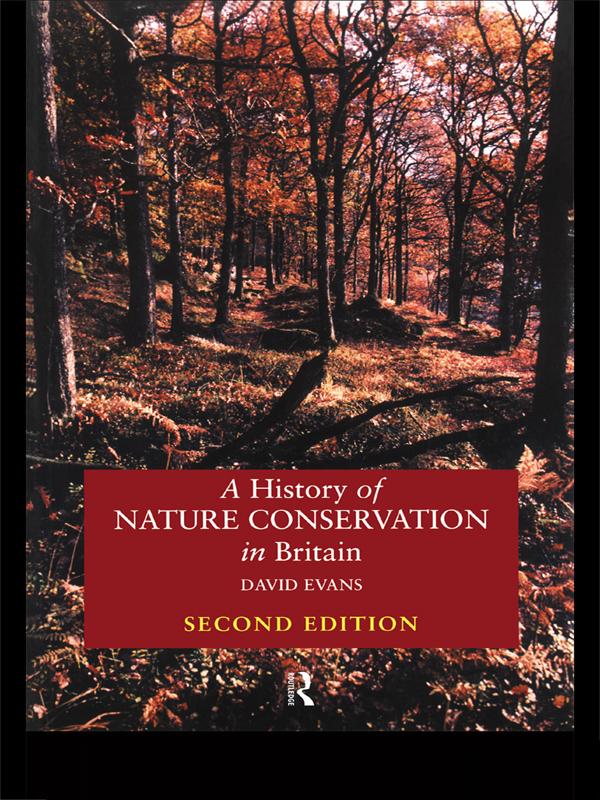
Our attitudes towards `nature' and the countryside are fickle. The conservation movement, despite enjoying its highest membership ever, has achieved only limited success over the last one hundred years of campaigning. Can conservationists now shake off their insular, disunited and negative image so as to gain the influence that the size of their movement warrants?
A History of Nature Conservation in Britain traces the rise of the conservation movement from its beginnings in Victorian coffee houses to today's societies with their membership numbering in the millions. The first complete history of the British, and oldest, branch of the movement, David Evans's book offers invaluable insights into the campaigns for countryside protection and access, from battles against the use of pesticides, against pollution and genetic engineering through to legislation for the protection of our wildlife and the freedom to walk the mountains.
The 2nd Edition has been fully revised and updated. Topical issues are considered afresh; and new chapters reflect the rapid changes throughout the 1990s both in social attitudes, conservation practices, legislation, funding and within conservation organizations themselves. In the light of recent developments, Evans also looks at some difficult choices to be made in years ahead and asks how the conservation movement will fare on the new global stage.
Betal nemt med kort, Klarna, Apple Pay eller Google Pay. Ikke tilfreds? Du har altid 14 dages fortrydelsesret. Læs mere i vores vilkår. Har du spørgsmål, så send os en mail på hello@memmo.org.
Memmo gør det nemmere at studere – uanset hvor du er i verden. Hos os samler du dine kursusbøger og smarte studieværktøjer ét sted: resuméer, quizzer, podcasts og flashcards. Og så er der Ted, din studieven, der svarer på alt, du undrer dig over. Over 50 000 studerende studerer allerede her – bygget til at hjælpe dig med at lære hurtigere og stresse mindre.