
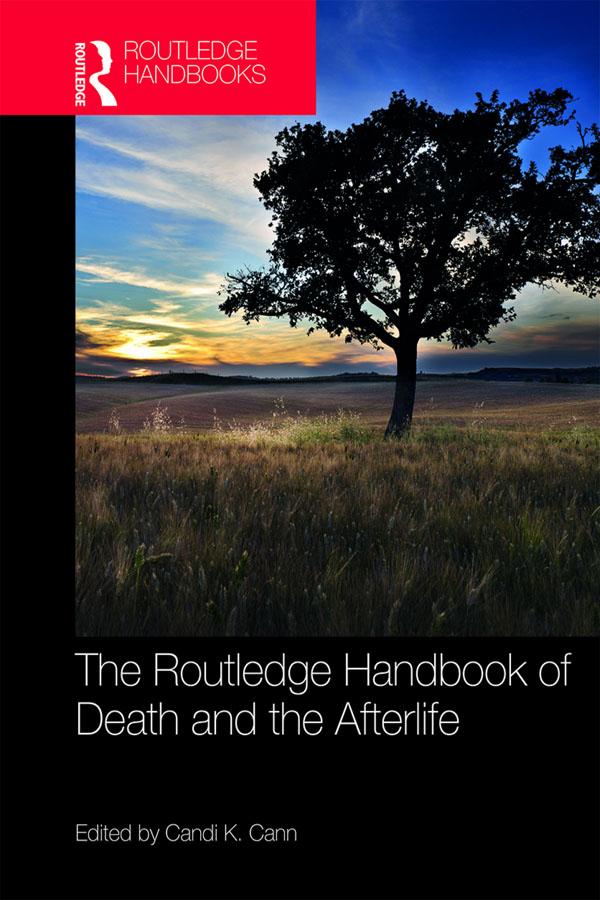
This Handbook traces the history of the changing notion of what it means to die and examines the many constructions of afterlife in literature, text, ritual, and material culture throughout time. The Routledge Handbook of Death and the Afterlife is an outstanding reference source to the key topics, problems, and debates in this exciting subject. Comprising twenty-nine chapters by a team of international contributors, the Handbook is divided into three parts and covers the following important themes:
- The study of dying, death, and grief
- Disposal of the dead: past, present, and future
- Representations of death: narratives and rhetoric
- Youth meets death: a juxtaposition
- Questionable deaths and afterlives: suicide, ghosts, and avatars
- Material corpses and imagined afterlives around the world
Within these sections, central issues, debates, and problems are examined, including: the world of death and dying from various cultural viewpoints and timeframes, cultural and social constructions of the definition of death, disposal practices, and views of the afterlife.
The Routledge Handbook of Death and the Afterlife is essential reading for students and researchers in religious studies, philosophy, anthropology, and sociology.
Betal nemt med kort, Klarna, Apple Pay eller Google Pay. Ikke tilfreds? Du har altid 14 dages fortrydelsesret. Læs mere i vores vilkår. Har du spørgsmål, så send os en mail på hello@memmo.org.
Memmo gør det nemmere at studere – uanset hvor du er i verden. Hos os samler du dine kursusbøger og smarte studieværktøjer ét sted: resuméer, quizzer, podcasts og flashcards. Og så er der Ted, din studieven, der svarer på alt, du undrer dig over. Over 50 000 studerende studerer allerede her – bygget til at hjælpe dig med at lære hurtigere og stresse mindre.