
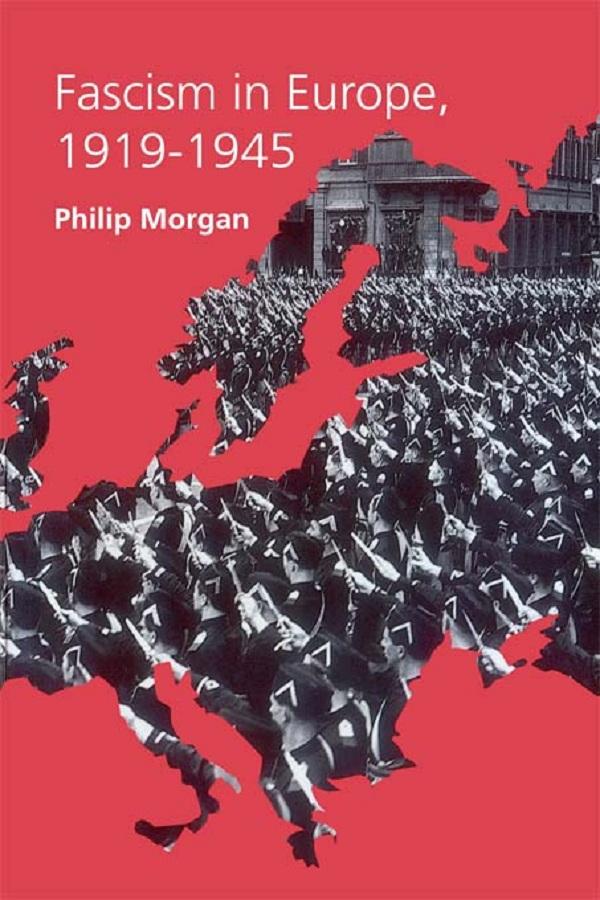
Fascism in Europe, 1919-1945 surveys the phenomenon which is still the object of interest and debate over fifty years after its defeat in the Second World War. It introduces the recent scholarship and continuing debates on the nature of fascism as well as the often contentious contributions by foreign historians and political scientists.
From the pre-First World War intellectual origins of Fascism to its demise in 1945, this book examines:
* the two 'waves' of fascism - in the immediate post-war period and in the late 1920s and early 1930s
* whether the European crisis created by the Treaty of Versailles allowed fascism to take root
* why fascism came to power in Italy and Germany, but not anywhere else in Europe
* fascism's own claim to be an international and internationalist movement
* the idea of 'totalitarianism' as the most useful and appropriate way of analyzing the fascist regimes.
Betal nemt med kort, Klarna, Apple Pay eller Google Pay. Ikke tilfreds? Du har altid 14 dages fortrydelsesret. Læs mere i vores vilkår. Har du spørgsmål, så send os en mail på hello@memmo.org.
Memmo gør det nemmere at studere – uanset hvor du er i verden. Hos os samler du dine kursusbøger og smarte studieværktøjer ét sted: resuméer, quizzer, podcasts og flashcards. Og så er der Ted, din studieven, der svarer på alt, du undrer dig over. Over 50 000 studerende studerer allerede her – bygget til at hjælpe dig med at lære hurtigere og stresse mindre.