
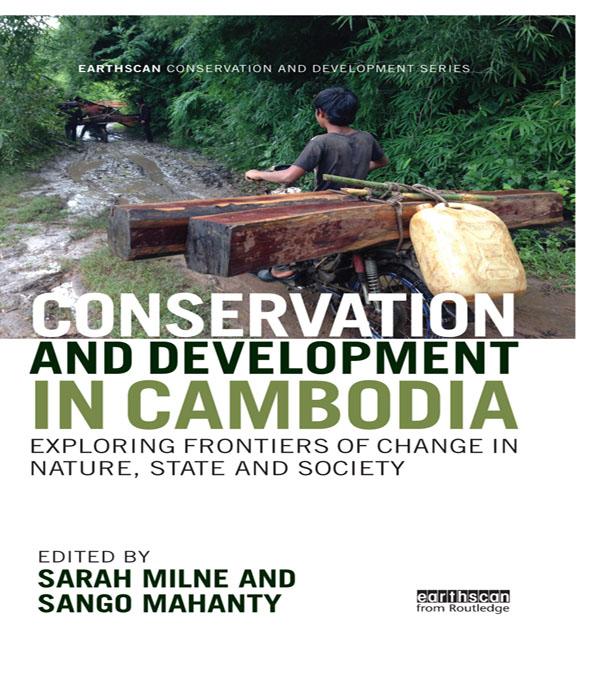
Written by leading authorities from Australasia, Europe and North America, this book examines the dynamic conflicts and synergies between nature conservation and human development in contemporary Cambodia.
After suffering conflict and stagnation in the late twentieth century, Cambodia has experienced an economic transformation in the last decade, with growth averaging almost ten per cent per year, partly through investment from China. However this rush for development has been coupled with tremendous social and environmental change which, although positive in some aspects, has led to rising inequality and profound shifts in the condition, ownership and management of natural resources. High deforestation rates, declining fish stocks, biodiversity loss, and alienation of indigenous and rural people from their land and traditional livelihoods are now matters of increasing local and international concern.
The book explores the social and political dimensions of these environmental changes in Cambodia, and of efforts to intervene in and ‘improve’ current trajectories for conservation and development. It provides a compelling analysis of the connections between nature, state and society, pointing to the key role of grassroots and non-state actors in shaping Cambodia’s frontiers of change. These insights will be of great interest to scholars of Southeast Asia and environment-development issues in general.
Betal nemt med kort, Klarna, Apple Pay eller Google Pay. Ikke tilfreds? Du har altid 14 dages fortrydelsesret. Læs mere i vores vilkår. Har du spørgsmål, så send os en mail på hello@memmo.org.
Memmo gør det nemmere at studere – uanset hvor du er i verden. Hos os samler du dine kursusbøger og smarte studieværktøjer ét sted: resuméer, quizzer, podcasts og flashcards. Og så er der Ted, din studieven, der svarer på alt, du undrer dig over. Over 50 000 studerende studerer allerede her – bygget til at hjælpe dig med at lære hurtigere og stresse mindre.