
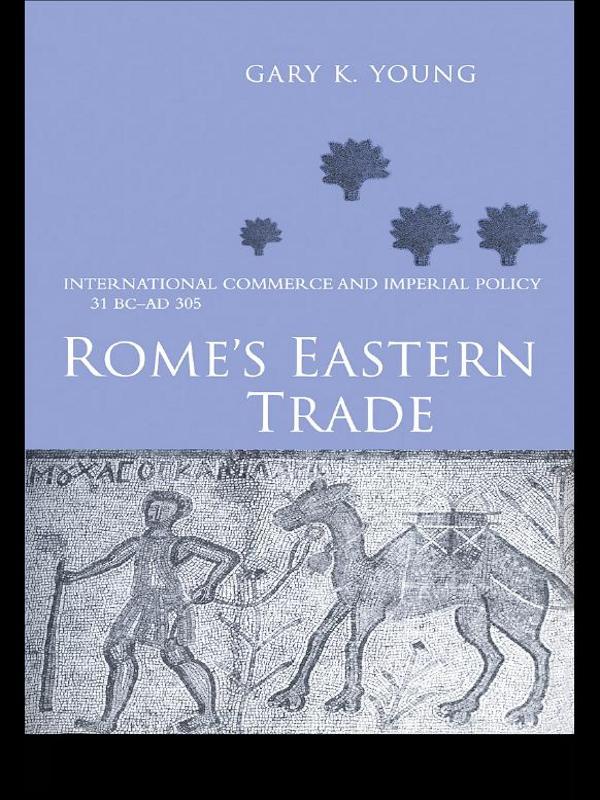
The spectacular ruins of such places as Palmyra and Petra bear witness to the wealth and power which could be derived from the silks, spices and incense of the east. Such goods were highly prized in the Roman Empire, and merchants were ready to face the perils of deserts, oceans, warfare and piracy to meet the demand for their wares. But exactly how did the trade in luxury goods operate, and to whose benefit? Gary K. Young's study offers unprecedented coverage of the major trading regions of Egypt, Arabia, Palmyra, and Syria, with detailed analysis of the routes used and of the roles of all the participants. He looks closely at the influence of the commerce in eastern goods both on the policy of the Roman imperial government, and upon local communities in the East itself. His findings contradict the standard view that the imperial government had a strong political interest in the eastern trade; rather its primary concern was the tax income the trade brought in. He also demonstrates the need for greater recognition of the efforts made by local authorities to exploit the trade to their own advantage. Incorporating the considerable archaeological research that has been undertaken in recent years, this comprehensive survey provides fresh insight into an important aspect of the eastern Roman Empire.
Betal nemt med kort, Klarna, Apple Pay eller Google Pay. Ikke tilfreds? Du har altid 14 dages fortrydelsesret. Læs mere i vores vilkår. Har du spørgsmål, så send os en mail på hello@memmo.org.
Memmo gør det nemmere at studere – uanset hvor du er i verden. Hos os samler du dine kursusbøger og smarte studieværktøjer ét sted: resuméer, quizzer, podcasts og flashcards. Og så er der Ted, din studieven, der svarer på alt, du undrer dig over. Over 50 000 studerende studerer allerede her – bygget til at hjælpe dig med at lære hurtigere og stresse mindre.
Du kan måske også lide
Køb bogen0