
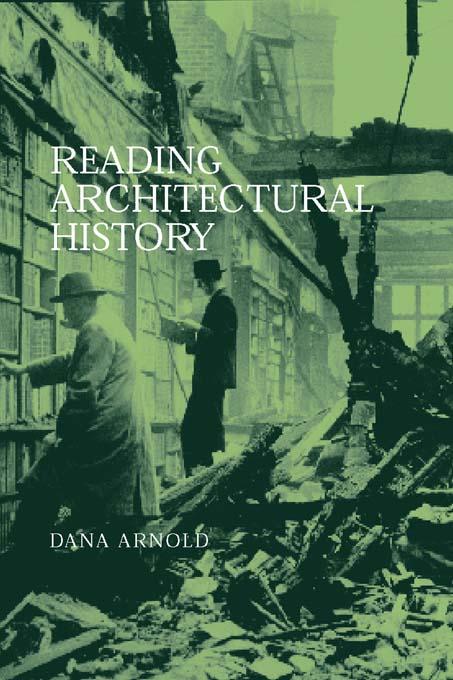
Architectural history is more than just the study of buildings. Architecture of the past and present remains an essential emblem of a distinctive social system and set of cultural values and as a result it has been the subject of study of a variety of disciplines. But what is architectural history and how should we read it?
Reading Architectural History examines the historiographic and socio/cultural implications of the mapping of British architectural history with particular reference to eighteenth - and nineteenth-century Britain. Discursive essays consider a range of writings from biographical and social histories to visual surveys and guidebooks to examine the narrative structures of histories of architecture and their impact on perception adn understanding of the architecture of the past. Alongside this, each chapter cites canonical histories juxtaposed with a range of social and cultural theorists, to reveal that these writings are richer than we have perhaps recognised and that architectural production in this period can in interrogated in the same way as that from more recent past - and can be read in a variety of ways.
The essays and texts combine to form an essential course reader for methods and critical approached to architectural history, and more generally as examples of the kind of evidence used in the formation of architectural histories, while also offering a thematic introduction to architecture in Britain and its social and cultural meaning.
Betal nemt med kort, Klarna, Apple Pay eller Google Pay. Ikke tilfreds? Du har altid 14 dages fortrydelsesret. Læs mere i vores vilkår. Har du spørgsmål, så send os en mail på hello@memmo.org.
Memmo gør det nemmere at studere – uanset hvor du er i verden. Hos os samler du dine kursusbøger og smarte studieværktøjer ét sted: resuméer, quizzer, podcasts og flashcards. Og så er der Ted, din studieven, der svarer på alt, du undrer dig over. Over 50 000 studerende studerer allerede her – bygget til at hjælpe dig med at lære hurtigere og stresse mindre.