
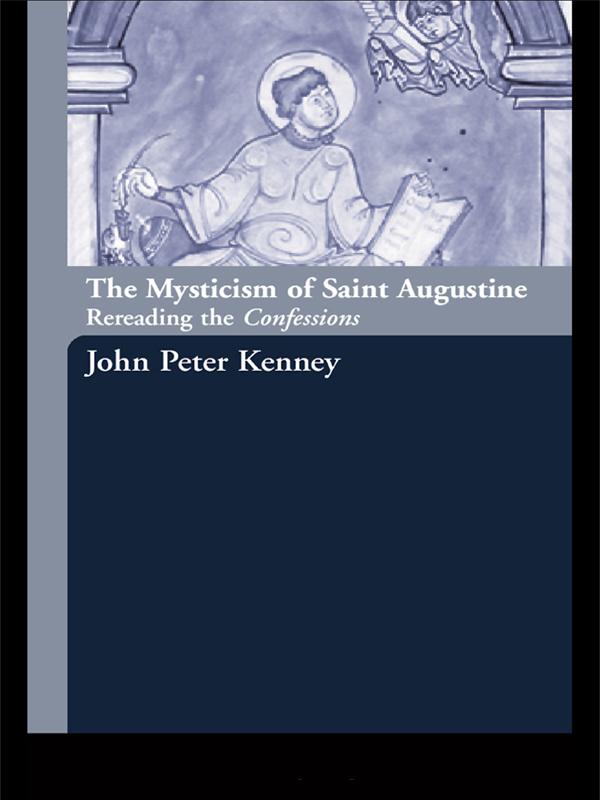
Augustine's vision at Ostia is one of the most influential accounts of mystical experience in the Western tradition, and a subject of persistent interest to Christians, philosophers and historians.
This book explores Augustine's account of his experience as set down in the Confessions and considers his mysticism in relation to his classical Platonist philosophy. John Peter Kenney argues that while the Christian contemplative mysticism created by Augustine is in many ways founded on Platonic thought, Platonism ultimately fails Augustine in that it cannot retain the truths that it anticipates. The Confessions offer a response to this impasse by generating two critical ideas in medieval and modern religious thought: firstly, the conception of contemplation as a purely epistemic event, in contrast to classical Platonism; secondly, the tenet that salvation is absolutely distinct from enlightenment.
Betal nemt med kort, Klarna, Apple Pay eller Google Pay. Ikke tilfreds? Du har altid 14 dages fortrydelsesret. Læs mere i vores vilkår. Har du spørgsmål, så send os en mail på hello@memmo.org.
Memmo gør det nemmere at studere – uanset hvor du er i verden. Hos os samler du dine kursusbøger og smarte studieværktøjer ét sted: resuméer, quizzer, podcasts og flashcards. Og så er der Ted, din studieven, der svarer på alt, du undrer dig over. Over 50 000 studerende studerer allerede her – bygget til at hjælpe dig med at lære hurtigere og stresse mindre.