
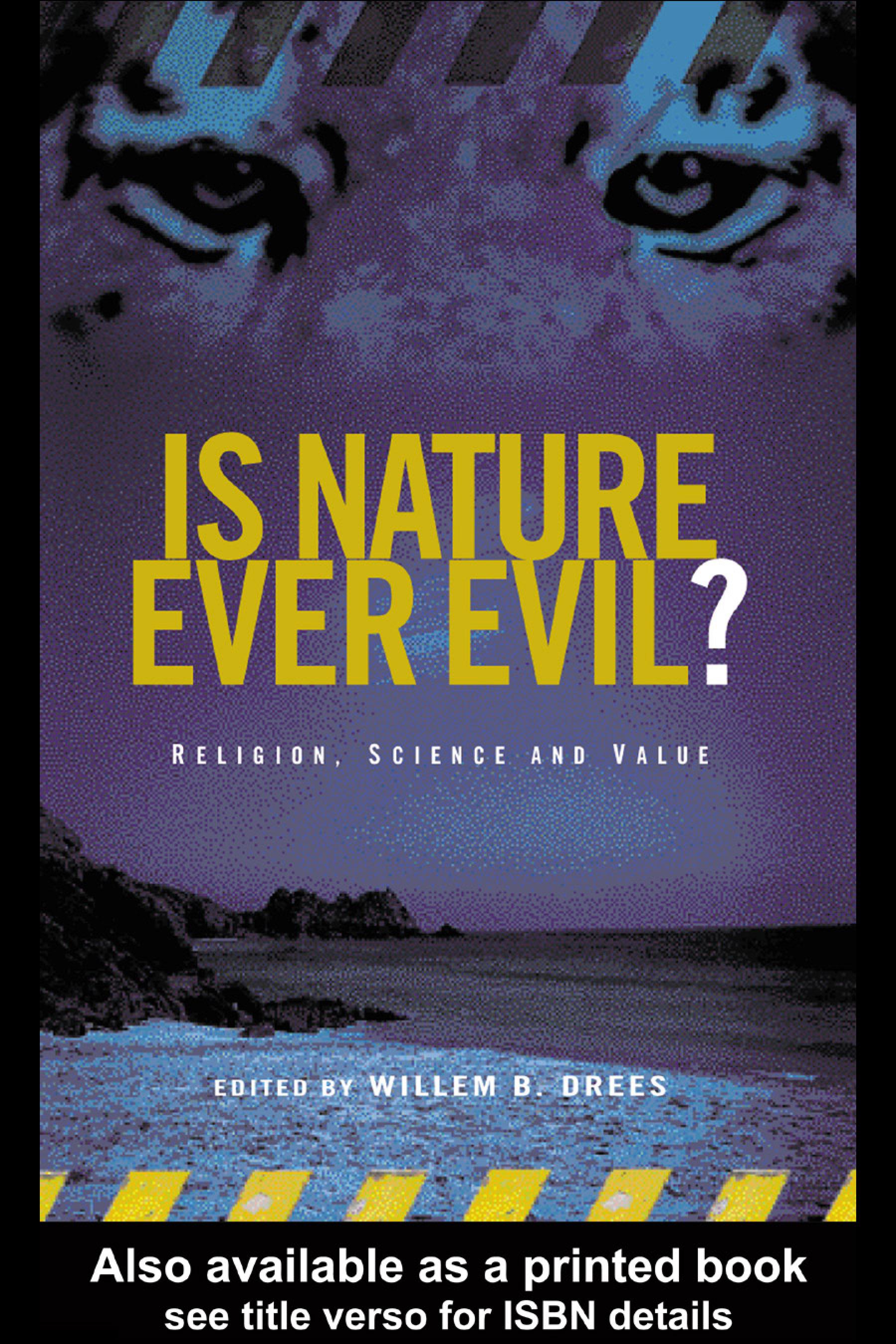
Can nature be evil, or ugly, or wrong? Can we apply moral value to nature?
From a compellingly original premise, under the auspices of major thinkers including Mary Midgley, Philip Hefner, Arnold Benz and Keith Ward, Is Nature Ever Evil? examines the value-structure of our cosmos and of the science that seeks to describe it. Science, says editor Willem B. Drees, claims to leave moral questions to aesthetic and religious theory. But the supposed neutrality of the scientific view masks a host of moral assumptions. How does an ethically transparent science arrive at concepts of a 'hostile' universe or a 'selfish' gene? How do botanists, zoologists, cosmologists and geologists respond to the beauty of the universe they study, reliant as it is upon catastrophe, savagery, power and extinction? Then there are various ways in which science seeks to alter and improve nature. What do prosthetics and gene technology, cyborgs and dairy cows say about our appreciation of nature itself? Surely science, in common with philosophy, magic and religion, can aid our understanding of evil in nature - whether as natural catasrophe, disease, predatory cruelty or mere cosmic indifference?
Focusing on the ethical evaluation of nature itself, Is Nature Ever Evil? re-ignites crucial questions of hope, responsibility, and possibility in nature.
Betal nemt med kort, Klarna, Apple Pay eller Google Pay. Ikke tilfreds? Du har altid 14 dages fortrydelsesret. Læs mere i vores vilkår. Har du spørgsmål, så send os en mail på hello@memmo.org.
Memmo gør det nemmere at studere – uanset hvor du er i verden. Hos os samler du dine kursusbøger og smarte studieværktøjer ét sted: resuméer, quizzer, podcasts og flashcards. Og så er der Ted, din studieven, der svarer på alt, du undrer dig over. Over 50 000 studerende studerer allerede her – bygget til at hjælpe dig med at lære hurtigere og stresse mindre.