
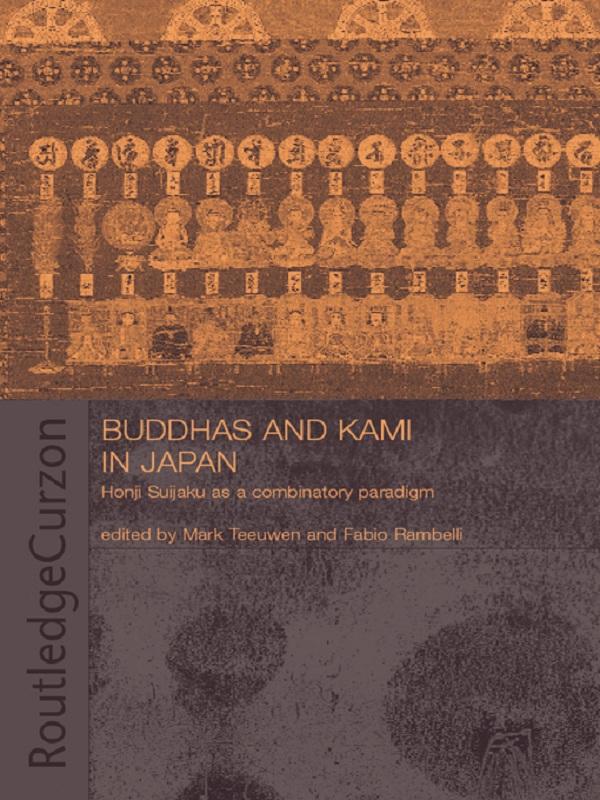
This volume offers a multidisciplinary approach to the combinatory tradition that dominated premodern and early modern Japanese religion, known as honji suijaku (originals and their traces). It questions received, simplified accounts of the interactions between Shinto and Japanese Buddhism, and presents a more dynamic and variegated religious world, one in which the deities' Buddhist originals and local traces did not constitute one-to-one associations, but complex combinations of multiple deities based on semiotic operations, doctrines, myths, and legends. The book's essays, all based on specific case studies, discuss the honji suijaku paradigm from a number of different perspectives, always integrating historical and doctrinal analysis with interpretive insights.
Betal nemt med kort, Klarna, Apple Pay eller Google Pay. Ikke tilfreds? Du har altid 14 dages fortrydelsesret. Læs mere i vores vilkår. Har du spørgsmål, så send os en mail på hello@memmo.org.
Memmo gør det nemmere at studere – uanset hvor du er i verden. Hos os samler du dine kursusbøger og smarte studieværktøjer ét sted: resuméer, quizzer, podcasts og flashcards. Og så er der Ted, din studieven, der svarer på alt, du undrer dig over. Over 50 000 studerende studerer allerede her – bygget til at hjælpe dig med at lære hurtigere og stresse mindre.