
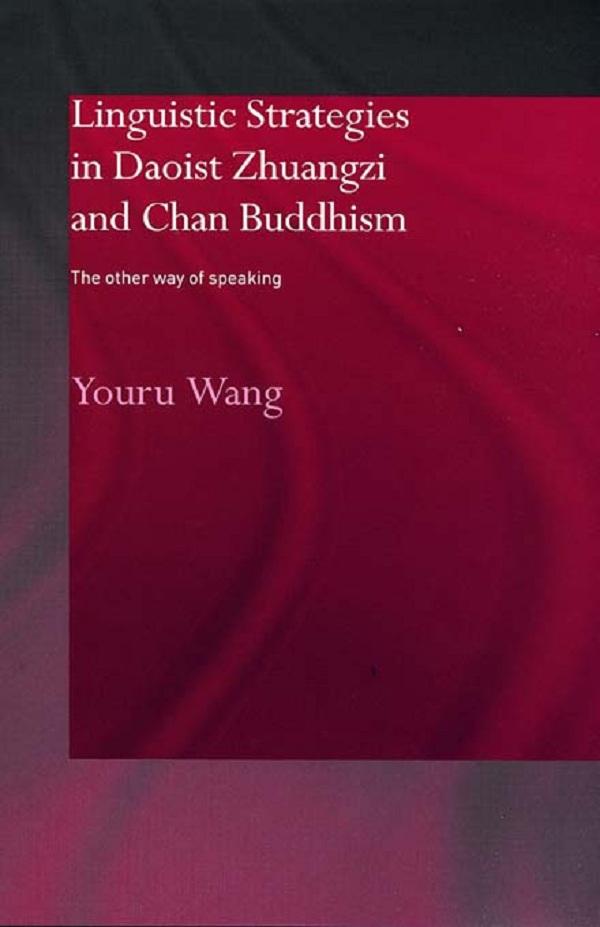
As the first systematic attempt to probe the linguistic strategies of Daoist Zhuangzi and Chan Buddhism, this book investigates three areas: deconstructive strategy, liminology of language, and indirect communication. It bases these investigations on the critical examination of original texts, placing them strictly within soteriological contexts. Whilst focusing on language use, the study also reveals some important truths about these two traditions and challenges many conventional understandings of them. Responding to recent critiques of Daoist and Chan Buddhist thought, it brings these two traditions into a constructive dialogue with contemporary philosophical reflection. It discovers Zhuangzian and Chan perspectives and sheds light on issues such as the relationship between philosophy and non-philosophy, de-reification of words, relativising the limit of language, structure of indirect communication, and use of paradox, tautology and poetic language.
Betal nemt med kort, Klarna, Apple Pay eller Google Pay. Ikke tilfreds? Du har altid 14 dages fortrydelsesret. Læs mere i vores vilkår. Har du spørgsmål, så send os en mail på hello@memmo.org.
Memmo gør det nemmere at studere – uanset hvor du er i verden. Hos os samler du dine kursusbøger og smarte studieværktøjer ét sted: resuméer, quizzer, podcasts og flashcards. Og så er der Ted, din studieven, der svarer på alt, du undrer dig over. Over 50 000 studerende studerer allerede her – bygget til at hjælpe dig med at lære hurtigere og stresse mindre.
Du kan måske også lide
Køb bogen0