
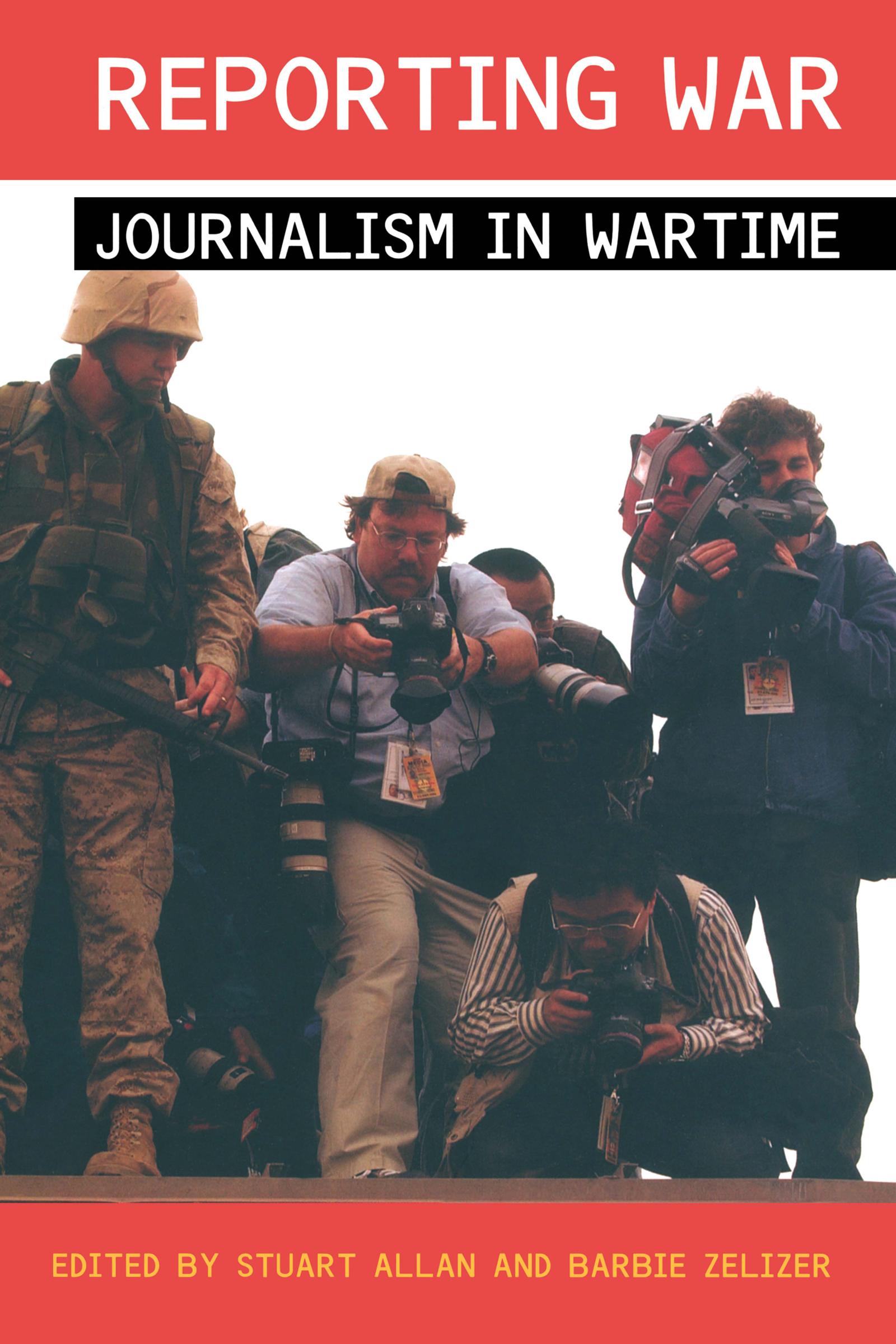
Reporting War explores the social responsibilities of the journalist during times of military conflict. News media treatments of international crises, especially the one underway in Iraq, are increasingly becoming the subject of public controversy, and discussion is urgently needed.
Each of this book's contributors challenges familiar assumptions about war reporting from a distinctive perspective. An array of pressing issues associated with conflicts over recent years are identified and critiqued, always with an eye to what they can tell us about improving journalism today.
Special attention is devoted to recent changes in journalistic forms and practices, and the ways in which they are shaping the visual culture of war, and issues discussed, amongst many, include:
- the influence of censorship and propaganda
- 'us' and 'them' news narratives
- access to sources
- '24/7 rolling news' and the 'CNN effect'
- military jargon (such as 'friendly fire' and 'collateral damage')
- 'embedded' and 'unilateral' reporters
- tensions between objectivity and patriotism.
The book raises important questions about the very future of journalism during wartime, questions which demand public dialogue and debate, and is essential reading for students taking courses in news and news journalism, as well as for researchers, teachers and practitioners in the field.
Betal nemt med kort, Klarna, Apple Pay eller Google Pay. Ikke tilfreds? Du har altid 14 dages fortrydelsesret. Læs mere i vores vilkår. Har du spørgsmål, så send os en mail på hello@memmo.org.
Memmo gør det nemmere at studere – uanset hvor du er i verden. Hos os samler du dine kursusbøger og smarte studieværktøjer ét sted: resuméer, quizzer, podcasts og flashcards. Og så er der Ted, din studieven, der svarer på alt, du undrer dig over. Over 50 000 studerende studerer allerede her – bygget til at hjælpe dig med at lære hurtigere og stresse mindre.