
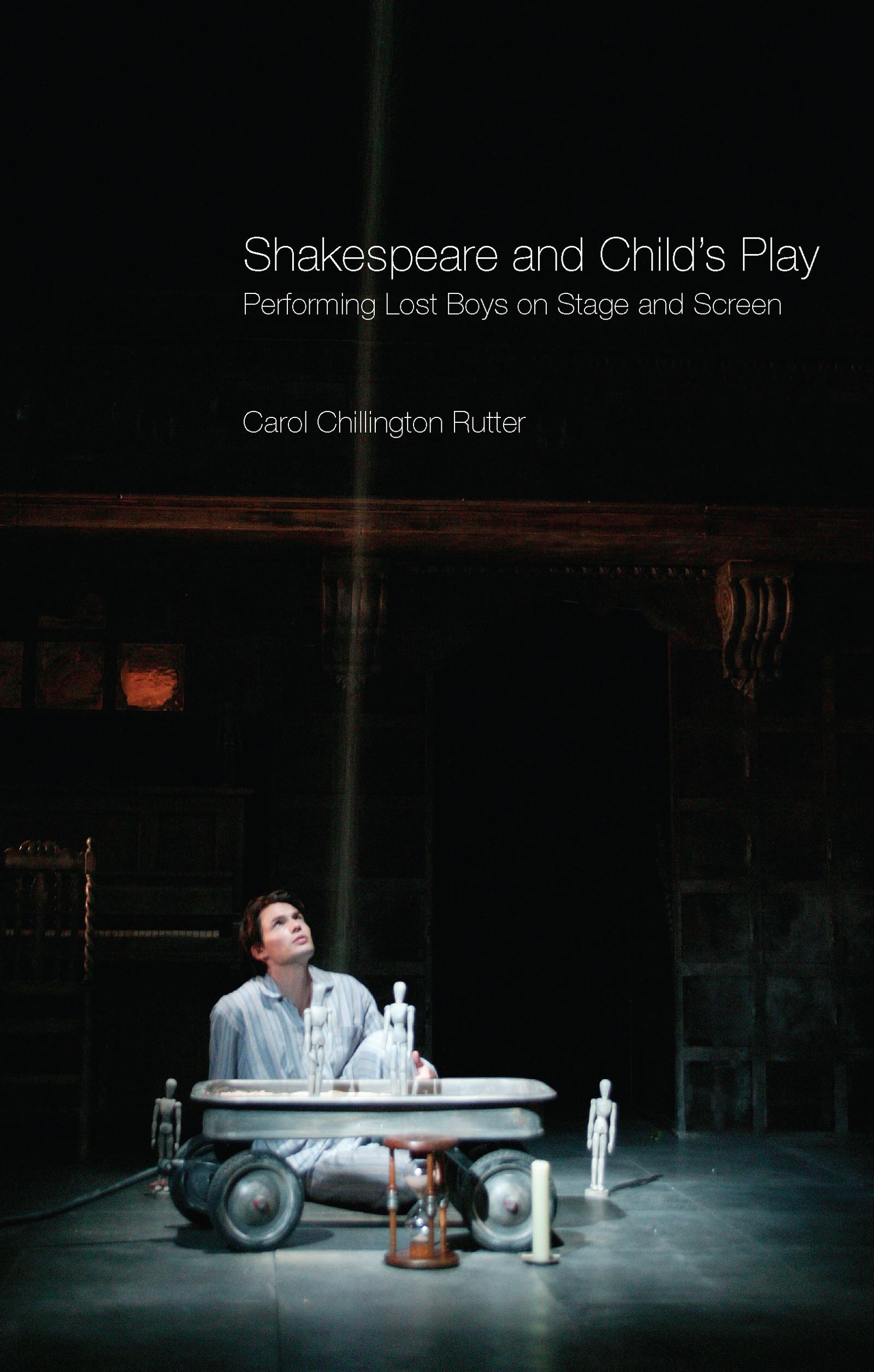
Shakespeare wrote more than fifty parts for children, amounting to the first comprehensive portrait of childhood in the English theatre. Focusing mostly on boys, he put sons against fathers, servants against masters, innocence against experience, testing the notion of masculinity, manners, morals, and the limits of patriarchal power. He explored the nature of relationships and ideas about parenting in terms of nature and nurture, permissiveness and discipline, innocence and evil. He wrote about education, adolescent rebellion, delinquency, fostering, and child-killing, as well as the idea of the redemptive child who ‘cures’ diseased adult imaginations.
‘Childness’ – the essential nature of being a child – remains a vital critical issue for us today. In Shakespeare and Child’s-Play Carol Rutter shows how recent performances on stage and film have used the range of Shakespeare’s insights in order to re-examine and re-think these issues in terms of today’s society and culture.
Betal nemt med kort, Klarna, Apple Pay eller Google Pay. Ikke tilfreds? Du har altid 14 dages fortrydelsesret. Læs mere i vores vilkår. Har du spørgsmål, så send os en mail på hello@memmo.org.
Memmo gør det nemmere at studere – uanset hvor du er i verden. Hos os samler du dine kursusbøger og smarte studieværktøjer ét sted: resuméer, quizzer, podcasts og flashcards. Og så er der Ted, din studieven, der svarer på alt, du undrer dig over. Over 50 000 studerende studerer allerede her – bygget til at hjælpe dig med at lære hurtigere og stresse mindre.