
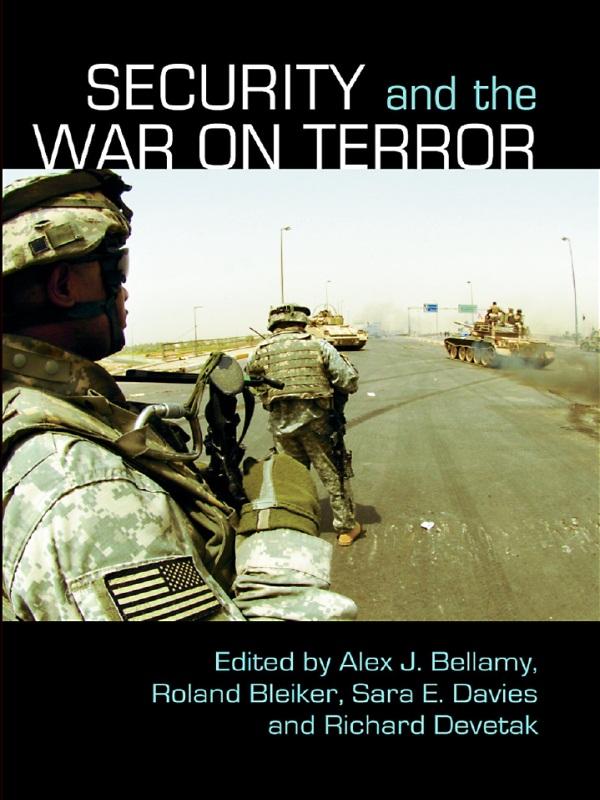
The terrorist attacks of 11 September 2001 marked a turning point in international politics, representing a new type of threat that could not easily be anticipated or prevented through state-based structures of security alone. Opening up interdisciplinary conversations between strategic, economic, ethical and legal approaches to global terrorism, this edited book recognises a fundamental issue: while major crises initially tend to reinforce old thinking and behavioural patterns, they also allow societies to challenge and overcome entrenched habits, thereby creating the foundations for a new and perhaps more peaceful future.
This volume addresses the issues that are at stake in this dual process of political closure, and therefore rethinks how states can respond to terrorist threats. The contributors range from leading conceptual theorists to policy-oriented analysts, from senior academics to junior researchers. The book explores how terrorism has had a profound impact on how security is being understood and implemented, and uses a range of hitherto neglected sources of insight, such as those between political, economic, legal and ethical factors, to examine the nature and meaning of security in a rapidly changing world.
Betal nemt med kort, Klarna, Apple Pay eller Google Pay. Ikke tilfreds? Du har altid 14 dages fortrydelsesret. Læs mere i vores vilkår. Har du spørgsmål, så send os en mail på hello@memmo.org.
Memmo gør det nemmere at studere – uanset hvor du er i verden. Hos os samler du dine kursusbøger og smarte studieværktøjer ét sted: resuméer, quizzer, podcasts og flashcards. Og så er der Ted, din studieven, der svarer på alt, du undrer dig over. Over 50 000 studerende studerer allerede her – bygget til at hjælpe dig med at lære hurtigere og stresse mindre.