
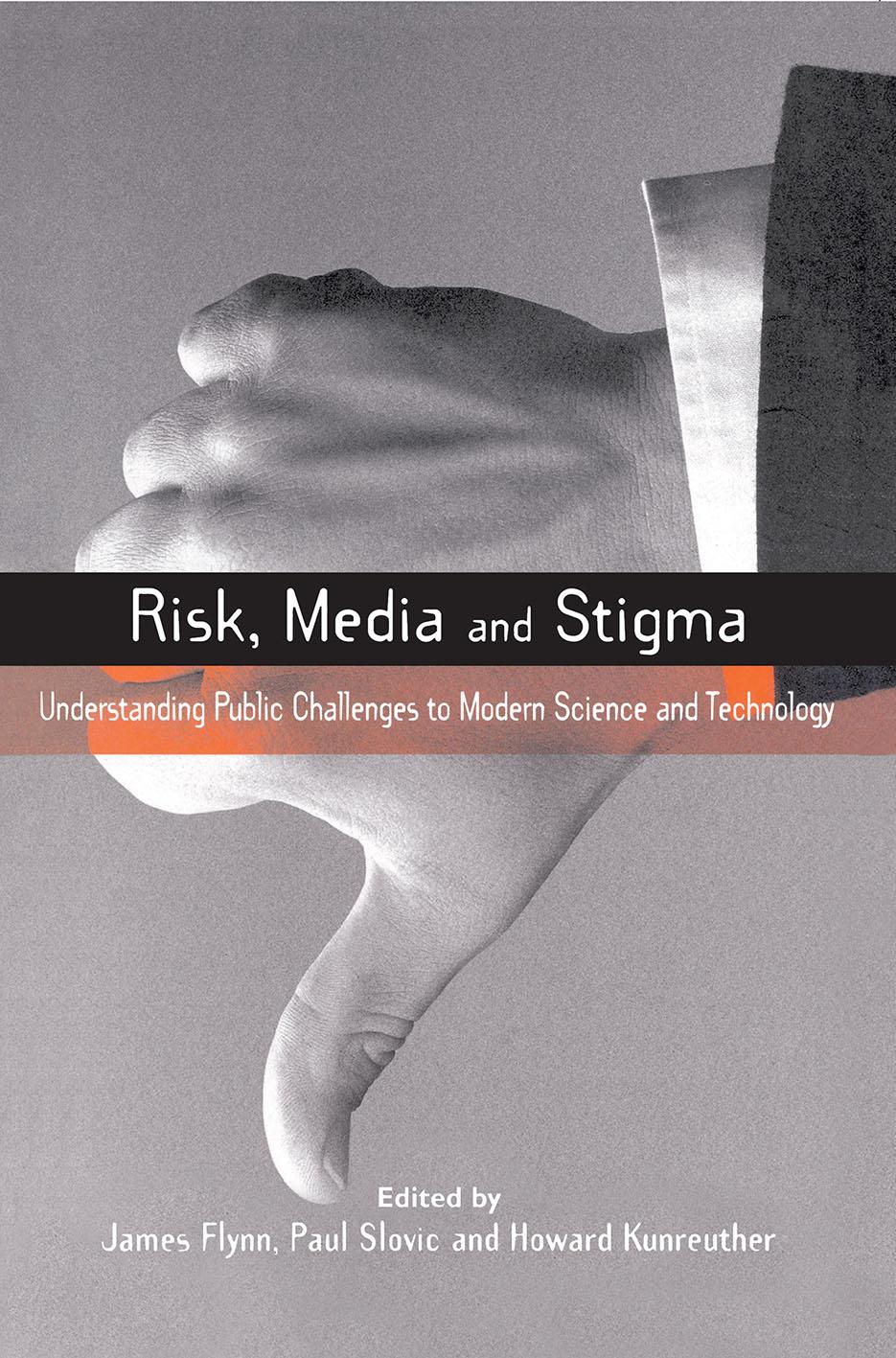
The benefits of modern technology often involve health, safety and environmental risks that produce public suspicion of technologies and aversion to certain products and substances. Amplified by the pervasive power of the media, public concern about health and ecological risks can have enormous economic and social impacts, such as the 'stigmatization' experienced in recent years with nuclear power, British beef and genetically modified plants.
This volume presents the most current and comprehensive examination of how and why stigma occurs and what the appropriate responses to it should be to inform the public and reduce undesirable impacts. Each form of stigma is thoroughly explored through a range of case studies. Theoretical contributions look at the roles played by government and business, and the crucial impact of the media in forming public attitudes. Stigma is not always misplaced, and the authors discuss the challenges involved in managing risk and reducing the vulnerability of important products, industries and institutions while providing the public with the relevant information they need about risks.
Betal nemt med kort, Klarna, Apple Pay eller Google Pay. Ikke tilfreds? Du har altid 14 dages fortrydelsesret. Læs mere i vores vilkår. Har du spørgsmål, så send os en mail på hello@memmo.org.
Memmo gør det nemmere at studere – uanset hvor du er i verden. Hos os samler du dine kursusbøger og smarte studieværktøjer ét sted: resuméer, quizzer, podcasts og flashcards. Og så er der Ted, din studieven, der svarer på alt, du undrer dig over. Over 50 000 studerende studerer allerede her – bygget til at hjælpe dig med at lære hurtigere og stresse mindre.