
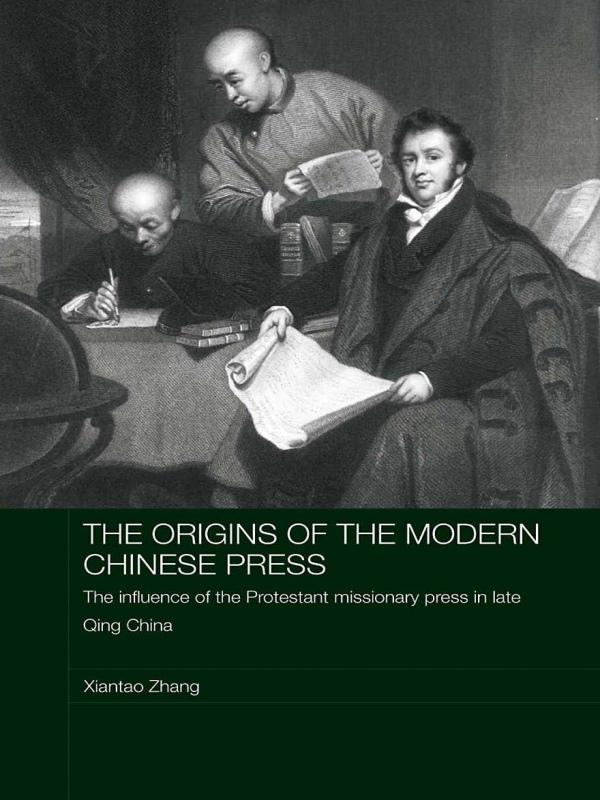
This book traces the emergence of the modern Chinese press from its origins in the western Christian missionary press in the late nineteenth century.
It shows how the western missionaries and their evangelical/educational newspapers changed the long-standing traditional practices, styles, content, print culture and printing technology of Chinese newspapers and, in the process, introduced some of the key ideas of western modernity which were to have a profound effect on Chinese society. Xiantao Zhang demonstrates how missionary publications reshaped print journalism, rather indirectly, from a centuries-long monopoly by the state - the Imperial press - into a pluralized, modernizing and frequently radical public journalism. She focuses in particular on the relationship between the missionaries and the class of ‘gentry scholars’ - literati and civil servants, educated via the traditional state examination system in the Confucian classics, who were the prime target readers of the missionary publications. This key group and the independent press they established at the end of the nineteenth century played a crucial role in shaping the ongoing struggle for a modern democratic media culture in China.
Betal nemt med kort, Klarna, Apple Pay eller Google Pay. Ikke tilfreds? Du har altid 14 dages fortrydelsesret. Læs mere i vores vilkår. Har du spørgsmål, så send os en mail på hello@memmo.org.
Memmo gør det nemmere at studere – uanset hvor du er i verden. Hos os samler du dine kursusbøger og smarte studieværktøjer ét sted: resuméer, quizzer, podcasts og flashcards. Og så er der Ted, din studieven, der svarer på alt, du undrer dig over. Over 50 000 studerende studerer allerede her – bygget til at hjælpe dig med at lære hurtigere og stresse mindre.