
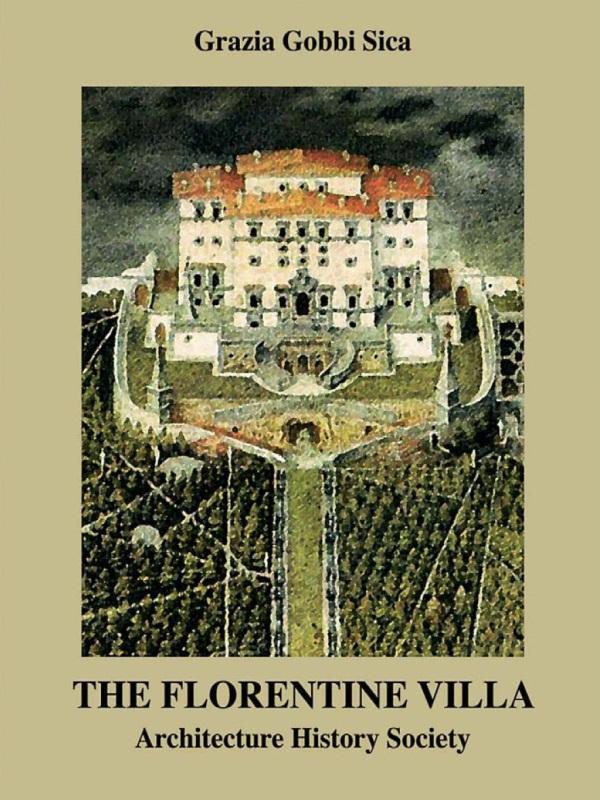
Scholarly and innovative with visually stunning line drawings and photographs, this volume provides readers with a compelling record of the unbroken pattern of reciprocal use and exchange between the countryside and the walled city of Florence, from the thirteenth century up to the present day.
Defying the traditional and idealized interpretation of the Florentine Villa, the author:
- analyzes the economic factors that powered the investment in and building of country houses and estates from the early Renaissance times onwards, as well as the ideology and the architectural and literary models that promoted the Florentine villa
- explores the area between Florence and Sesto in its history, morphology and representation
- looks at the villas existing in the area.
A contribution to the protection of the important cultural heritage of the landscape in the Florentine area and of its historic buildings, villas and gardens, this study makes engaging reading, not only for scholars and students in architecture, landscape design and social history, but also for the well informed reader interested in art, architecture and gardens.
Betal nemt med kort, Klarna, Apple Pay eller Google Pay. Ikke tilfreds? Du har altid 14 dages fortrydelsesret. Læs mere i vores vilkår. Har du spørgsmål, så send os en mail på hello@memmo.org.
Memmo gør det nemmere at studere – uanset hvor du er i verden. Hos os samler du dine kursusbøger og smarte studieværktøjer ét sted: resuméer, quizzer, podcasts og flashcards. Og så er der Ted, din studieven, der svarer på alt, du undrer dig over. Over 50 000 studerende studerer allerede her – bygget til at hjælpe dig med at lære hurtigere og stresse mindre.