
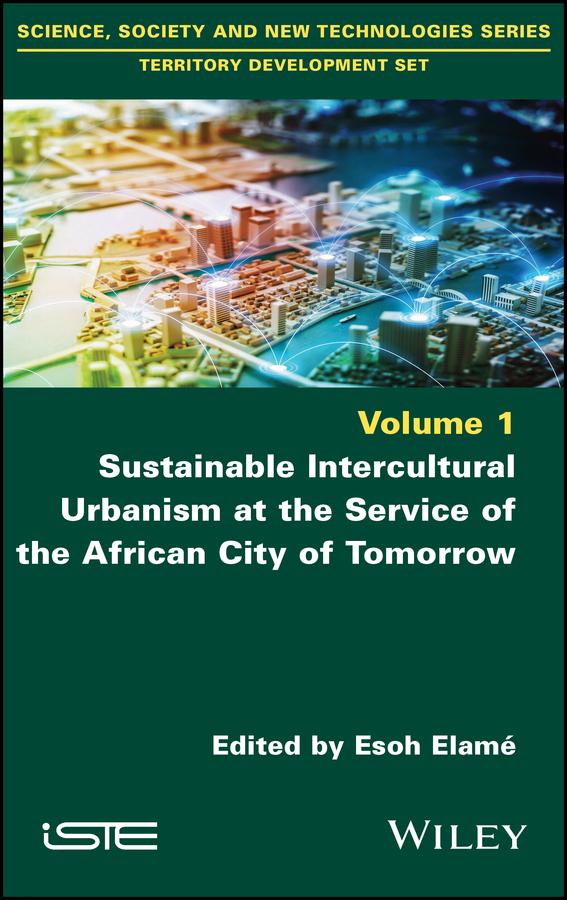
Most African cities are human settlements that lack the systems needed for effective land use planning. In fact, the disorganization that prevails has become so complex that the concept of urbanism itself has been called into question. This book highlights the need to restore urban planning in African cities through sustainable development and interculturality. Furthermore, it addresses the balance of power between urban planning and sustainable development and explores the historical and postcolonial aspects of urban planning in African cities.
A case study focusing on the development of sustainable cities and neighborhoods in the M'Zab Valley is also included, as well as topics such as urban greening, climatic threats and the problem of state agro-industrial land transactions, which compete with sustainable urban planning. Sustainable Intercultural Urbanism at the Service of the African City of Tomorrow is a valuable reference for researchers and practitioners interested in urban issues in African cities. These cities, in particular sub Saharan cities, have long been excluded from any discourse on sustainable cities and urban planning; this book places the focus on these cities and acknowledges their varied urban realities. The intention is to spark a new debate on sustainable urban planning in African cities based on intercultural sustainable urbanism, which is key to thinking about and building ecological, intercultural, compact, intelligent and postcolonial cities.
Betal nemt med kort, Klarna, Apple Pay eller Google Pay. Ikke tilfreds? Du har altid 14 dages fortrydelsesret. Læs mere i vores vilkår. Har du spørgsmål, så send os en mail på hello@memmo.org.
Memmo gør det nemmere at studere – uanset hvor du er i verden. Hos os samler du dine kursusbøger og smarte studieværktøjer ét sted: resuméer, quizzer, podcasts og flashcards. Og så er der Ted, din studieven, der svarer på alt, du undrer dig over. Over 50 000 studerende studerer allerede her – bygget til at hjælpe dig med at lære hurtigere og stresse mindre.