
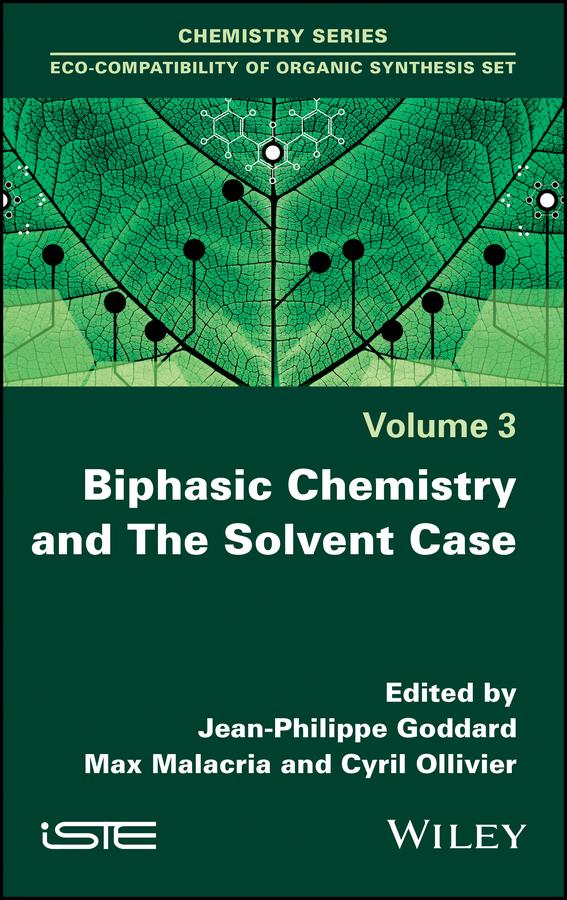
Biphasic Chemistry and The Solvent Case examines recent improvements in reaction conditions, in order to affirm the role of chemistry in the sustainable field.
This book shows that those who work within the chemistry industry support limits for the use of toxic or flammable solvents, since it reduces the purifications to simple filtrations. Thanks to commercial scavengers, solid phase syntheses are now available to all. Fluorine biphasic catalysis enables extremely efficient catalyst recycling and has a high applicability potential at the industrial level.
This book also reviews the many studies that have shown that water is a solvent of choice for most synthetic reactions. Particular traits can be obtained and the effects on thermodynamics make it possible to operate at lower temperatures, thereby achieving energy savings. Finally the great diversity of application of the reactions without solvents is illustrated.
Betal nemt med kort, Klarna, Apple Pay eller Google Pay. Ikke tilfreds? Du har altid 14 dages fortrydelsesret. Læs mere i vores vilkår. Har du spørgsmål, så send os en mail på hello@memmo.org.
Memmo gør det nemmere at studere – uanset hvor du er i verden. Hos os samler du dine kursusbøger og smarte studieværktøjer ét sted: resuméer, quizzer, podcasts og flashcards. Og så er der Ted, din studieven, der svarer på alt, du undrer dig over. Over 50 000 studerende studerer allerede her – bygget til at hjælpe dig med at lære hurtigere og stresse mindre.