
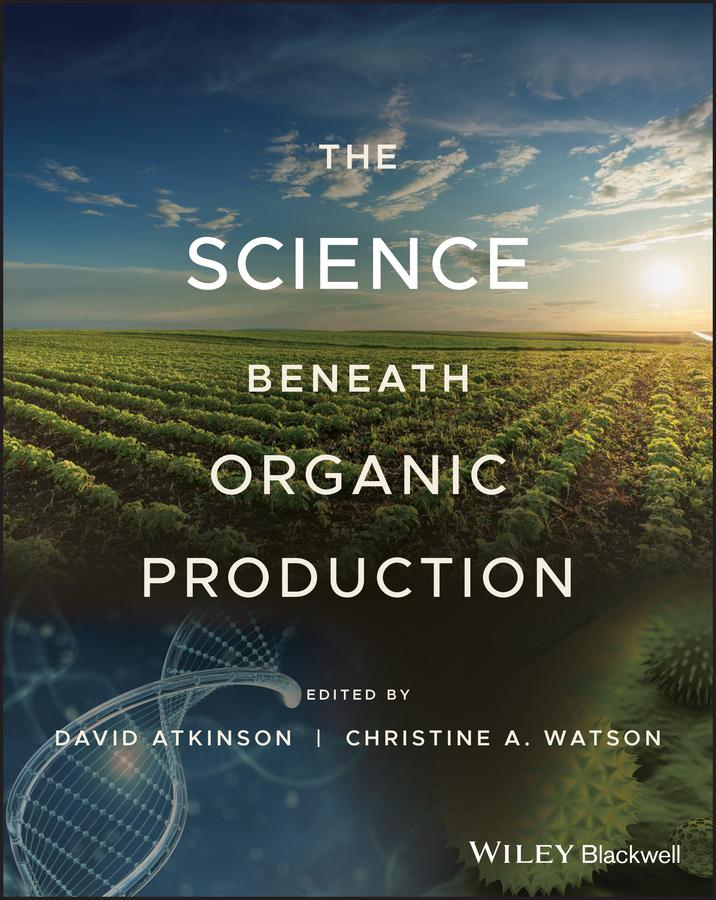
A groundbreaking book that addresses the science that underpins organic agriculture and horticulture and its impact upon the management of organic systems
With contributions from noted experts in the field, Organic Agriculture explores the cultural context of food production and examines the historical aspects, economic implications, and key scientific elements that underpin organic crop production. The book shows how a science-based approach to organic farming is grounded in history and elements of the social sciences as well as the more traditional areas of physics, chemistry and biology.
Organic Agriculture offers a detailed explanation of the differences between organic systems and other approaches, answering questions about crop production and protection, crop rotations, soil health, biodiversity and the use of genetic resources. The authors identify current gaps in our understanding of the topic and discuss how organic farming research may be better accomplished in the future. This important book:
- Explores the science that underpins organic farming
- Contains illustrative case studies from around the world
- Examines organic agriculture’s philosophical roots and its socio-economic context
Written for scientists and students of agriculture and horticulture, this book covers the issues linked to the use of science by organic producers and identifies key elements in the production of food.
Betal nemt med kort, Klarna, Apple Pay eller Google Pay. Ikke tilfreds? Du har altid 14 dages fortrydelsesret. Læs mere i vores vilkår. Har du spørgsmål, så send os en mail på hello@memmo.org.
Memmo gør det nemmere at studere – uanset hvor du er i verden. Hos os samler du dine kursusbøger og smarte studieværktøjer ét sted: resuméer, quizzer, podcasts og flashcards. Og så er der Ted, din studieven, der svarer på alt, du undrer dig over. Over 50 000 studerende studerer allerede her – bygget til at hjælpe dig med at lære hurtigere og stresse mindre.