
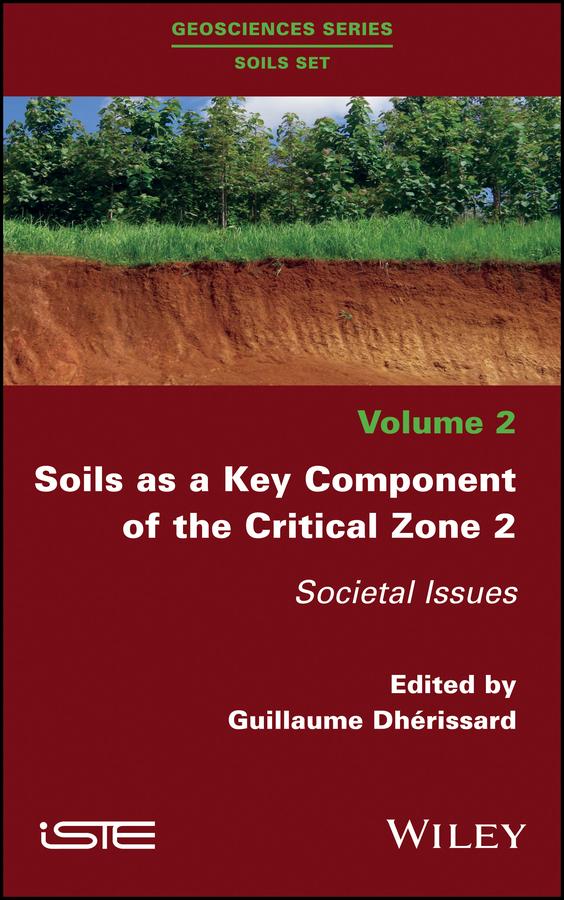
This volume comprises three parts: 1) from local to global, 2) what type of sustainable management? 3) territorial approaches. The first chapter demonstrates, from the French example, that better soil management is a societal issue. At the global level, the second chapter raises the question of land grabbing and land use conflicts. This book also raises the question of the legal status of the soil. It then shows how soils need to be integrated when defining sustainable agricultural systems. French and European examples illustrate how taking environmental problems into account depends as much on their acuity as on how problems are perceived by public and private, social or economic actors. Therefore, it is important to promote co-diagnosis involving the scientific community and the various other actors in order to improve the regulation on soils. This multi-actor soil governance is facilitated by the use of simple soil quality indicators. Finally, examples in France and Vietnam show how soils are to be considered as territorial commons within landscapes. This last chapter recommends in particular to put an end to the absolute right of soil ownership and to distribute the usufruct of land between various private and public beneficiaries.
Betal nemt med kort, Klarna, Apple Pay eller Google Pay. Ikke tilfreds? Du har altid 14 dages fortrydelsesret. Læs mere i vores vilkår. Har du spørgsmål, så send os en mail på hello@memmo.org.
Memmo gør det nemmere at studere – uanset hvor du er i verden. Hos os samler du dine kursusbøger og smarte studieværktøjer ét sted: resuméer, quizzer, podcasts og flashcards. Og så er der Ted, din studieven, der svarer på alt, du undrer dig over. Over 50 000 studerende studerer allerede her – bygget til at hjælpe dig med at lære hurtigere og stresse mindre.