
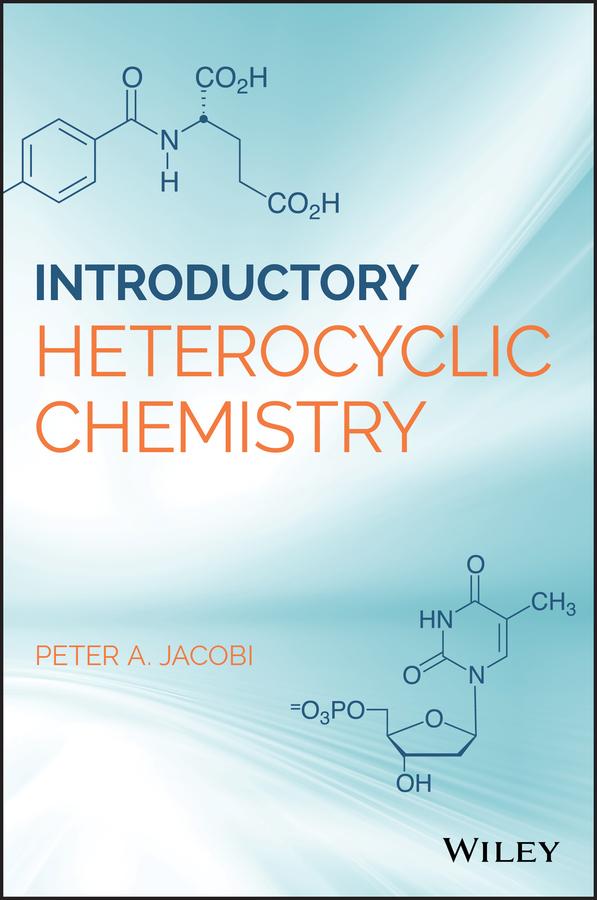
A unique approach to a core topic in organic chemistry presented by an experienced teacher to students and professionals
Heterocyclic rings are present in the majority of known natural products, contributing to enormous structural diversity. In addition, they often possess significant biological activity. Medicinal chemists have embraced this last property in designing most of the small molecule drugs in use today. This book offers readers a fundamental understanding of the basics of heterocyclic chemistry and their occurrence in natural products such as amino acids, DNA, vitamins, and antibiotics. Based on class lectures that the author has developed over more than 40 years of teaching, it focuses on the chemistry of such heterocyclic substances and how they differ from carbocyclic systems.
Introductory Heterocyclic Chemistry offers in-depth chapters covering naturally occurring heterocycles; properties of aromatic heterocycles; π-deficient heterocycles; π-excessive heterocycles; and ring transformations of heterocycles. It then offers an overview of 1,3-dipolar cycloadditions before finishing up with a back-to-basics section on nitriles and amidines.
Introductory Heterocyclic Chemistry is an excellent text for undergraduate and graduate students as well as chemists in industrial environments in chemistry, pharmacy, medicinal chemistry, and biology.
Heterocyclic rings are present in the majority of known natural products, contributing to enormous structural diversity. In addition, they often possess significant biological activity. Medicinal chemists have embraced this last property in designing most of the small molecule drugs in use today. This book offers readers a fundamental understanding of the basics of heterocyclic chemistry and their occurrence in natural products such as amino acids, DNA, vitamins, and antibiotics. Based on class lectures that the author has developed over more than 40 years of teaching, it focuses on the chemistry of such heterocyclic substances and how they differ from carbocyclic systems.
Introductory Heterocyclic Chemistry offers in-depth chapters covering naturally occurring heterocycles; properties of aromatic heterocycles; π-deficient heterocycles; π-excessive heterocycles; and ring transformations of heterocycles. It then offers an overview of 1,3-dipolar cycloadditions before finishing up with a back-to-basics section on nitriles and amidines.
- Presents a conversational approach to a fundamental topic in organic chemistry teaching
- Offers a unique look at this core organic chemistry topic via important naturally occurring and/or biologically active heterocycles
- Based on the author's many years of class lectures for teaching at the undergraduate and graduate level as well as pharmaceutical-industry courses
- Clear, concise, and accessible for advanced students of chemistry to gain a fundamental understanding of the basics of heterocyclic chemistry
Introductory Heterocyclic Chemistry is an excellent text for undergraduate and graduate students as well as chemists in industrial environments in chemistry, pharmacy, medicinal chemistry, and biology.
Betal nemt med kort, Klarna, Apple Pay eller Google Pay. Ikke tilfreds? Du har altid 14 dages fortrydelsesret. Læs mere i vores vilkår. Har du spørgsmål, så send os en mail på hello@memmo.org.
Memmo gør det nemmere at studere – uanset hvor du er i verden. Hos os samler du dine kursusbøger og smarte studieværktøjer ét sted: resuméer, quizzer, podcasts og flashcards. Og så er der Ted, din studieven, der svarer på alt, du undrer dig over. Over 50 000 studerende studerer allerede her – bygget til at hjælpe dig med at lære hurtigere og stresse mindre.