
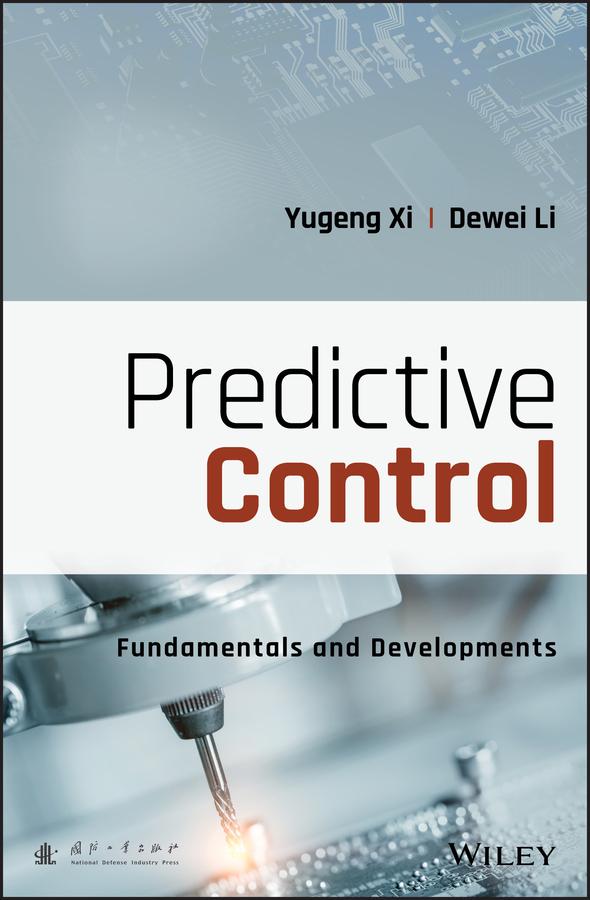
This book is a comprehensive introduction to model predictive control (MPC), including its basic principles and algorithms, system analysis and design methods, strategy developments and practical applications. The main contents of the book include an overview of the development trajectory and basic principles of MPC, typical MPC algorithms, quantitative analysis of classical MPC systems, design and tuning methods for MPC parameters, constrained multivariable MPC algorithms and online optimization decomposition methods. Readers will then progress to more advanced topics such as nonlinear MPC and its related algorithms, the diversification development of MPC with respect to control structures and optimization strategies, and robust MPC. Finally, applications of MPC and its generalization to optimization-based dynamic problems other than control will be discussed.
- Systematically introduces fundamental concepts, basic algorithms, and applications of MPC
- Includes a comprehensive overview of MPC development, emphasizing recent advances and modern approaches
- Features numerous MPC models and structures, based on rigorous research
- Based on the best-selling Chinese edition, which is a key text in China
Predictive Control: Fundamentals and Developments is written for advanced undergraduate and graduate students and researchers specializing in control technologies. It is also a useful reference for industry professionals, engineers, and technicians specializing in advanced optimization control technology.
Betal nemt med kort, Klarna, Apple Pay eller Google Pay. Ikke tilfreds? Du har altid 14 dages fortrydelsesret. Læs mere i vores vilkår. Har du spørgsmål, så send os en mail på hello@memmo.org.
Memmo gør det nemmere at studere – uanset hvor du er i verden. Hos os samler du dine kursusbøger og smarte studieværktøjer ét sted: resuméer, quizzer, podcasts og flashcards. Og så er der Ted, din studieven, der svarer på alt, du undrer dig over. Over 50 000 studerende studerer allerede her – bygget til at hjælpe dig med at lære hurtigere og stresse mindre.