
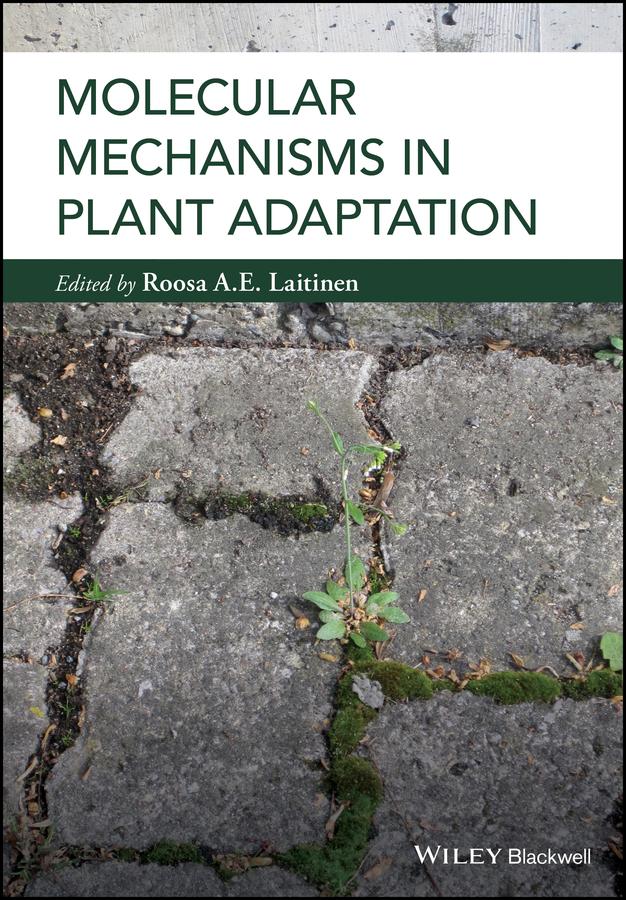
Plants are forced to adapt for a variety of reasons— protection, reproductive viability, and environmental and climatic changes. Computational tools and molecular advances have provided researchers with significant new insights into the molecular basis of plant adaptation. Molecular Mechanisms in Plant Adaptation provides a comprehensive overview of a wide variety of these different mechanisms underlying adaptation to these challenges to plant survival.
Molecular Mechanisms in Plant Adaptation opens with a chapter that explores the latest technological advances used in plant adaptation research, providing readers with an overview of high-throughput technologies and their applications. The chapters that follow cover the latest developments on using natural variation to dissect genetic, epigenetic and metabolic responses of plant adaptation. Subsequent chapters describe plant responses to biotic and abiotic stressors and adaptive reproductive strategies. Emerging topics such as secondary metabolism, small RNA mediated regulation as well as cell type specific responses to stresses are given special precedence. The book ends with chapters introducing computational approaches to study adaptation and focusing on how to apply laboratory findings to field studies and breeding programs.
Molecular Mechanisms in Plant Adaptation interest plant molecular biologists and physiologists, plant stress biologists, plant geneticists and advanced plant biology students.Betal nemt med kort, Klarna, Apple Pay eller Google Pay. Ikke tilfreds? Du har altid 14 dages fortrydelsesret. Læs mere i vores vilkår. Har du spørgsmål, så send os en mail på hello@memmo.org.
Memmo gør det nemmere at studere – uanset hvor du er i verden. Hos os samler du dine kursusbøger og smarte studieværktøjer ét sted: resuméer, quizzer, podcasts og flashcards. Og så er der Ted, din studieven, der svarer på alt, du undrer dig over. Over 50 000 studerende studerer allerede her – bygget til at hjælpe dig med at lære hurtigere og stresse mindre.