
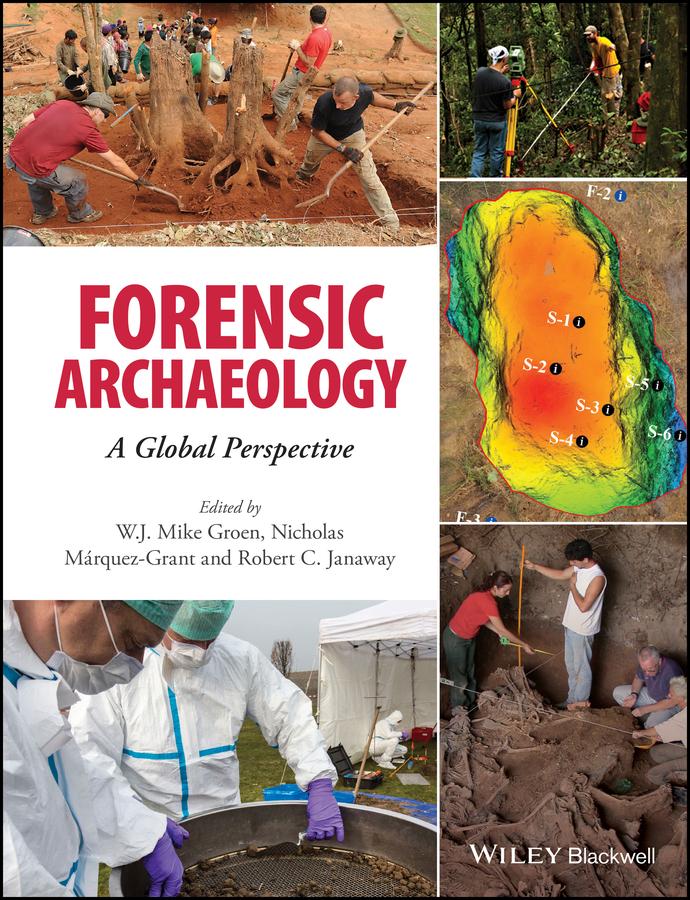
Forensic archaeology is mostly defined as the use of archaeological methods and principles within a legal context. However, such a definition only covers one aspect of forensic archaeology and misses the full potential this discipline has to offer. This volume is unique in that it contains 57 chapters from experienced forensic archaeological practitioners working in different countries, intergovernmental organisations or NGO’s. It shows that the practice of forensic archaeology varies worldwide as a result of diverse historical, educational, legal and judicial backgrounds. The chapters in this volume will be an invaluable reference to (forensic) archaeologists, forensic anthropologists, humanitarian and human rights workers, forensic scientists, police officers, professionals working in criminal justice systems and all other individuals who are interested in the potential forensic archaeology has to offer at scenes of crime or places of incident. This volume promotes the development of forensic archaeology worldwide. In addition, it proposes an interpretative framework that is grounded in archaeological theory and methodology, integrating affiliated behavioural and forensic sciences.
Betal nemt med kort, Klarna, Apple Pay eller Google Pay. Ikke tilfreds? Du har altid 14 dages fortrydelsesret. Læs mere i vores vilkår. Har du spørgsmål, så send os en mail på hello@memmo.org.
Memmo gør det nemmere at studere – uanset hvor du er i verden. Hos os samler du dine kursusbøger og smarte studieværktøjer ét sted: resuméer, quizzer, podcasts og flashcards. Og så er der Ted, din studieven, der svarer på alt, du undrer dig over. Over 50 000 studerende studerer allerede her – bygget til at hjælpe dig med at lære hurtigere og stresse mindre.