
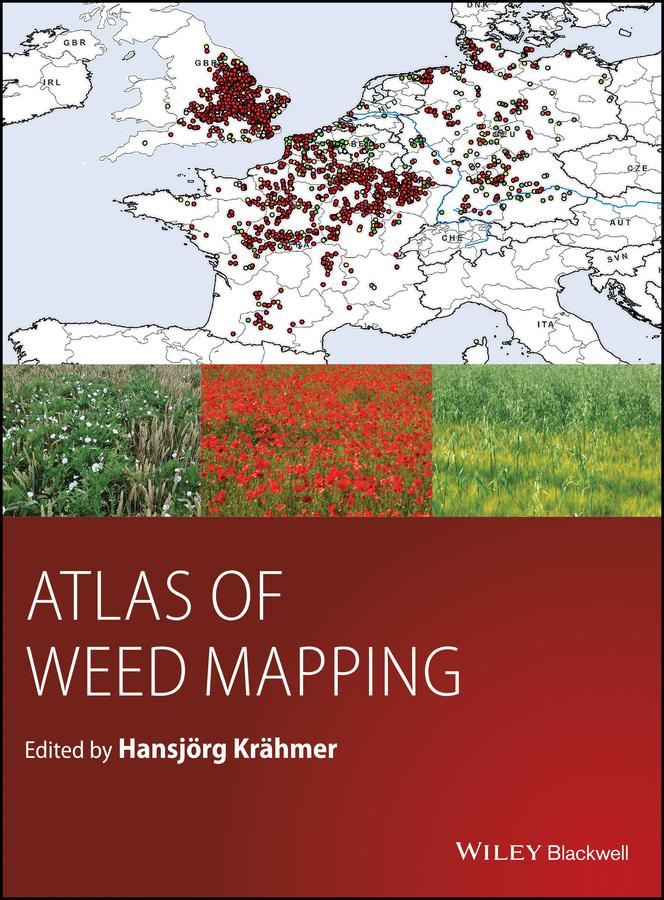
Weeds are variously defined as plants growing where they are not wanted, plants that interfere with human activity. Weeds affect everyone in the world by reducing crop yield and quality, delaying or interfering with harvesting, interfering with animal feeding, reducing animal health, preventing water flow, as plant parasites, etc. It is estimated that those problems cause $ billions worth of crop losses annually and the global cost of controlling weeds also runs into many $ billions every year.
Atlas of Weed Mapping presents an introductory overview on the occurrence of the most common weeds of the world. The book notably includes:
- Description of cropping practices and explanations for the global distribution of weeds
- Invasive plant mapping
- Aquatics and wetland plants with histological plant details
- Theoretical and practical aspects of weed mapping
- Aspects on the documentation of herbicide resistance
- Biodiversity, rare weeds and the dominance of the most common weeds
Fully illustrated with more than 800 coloured figures and a number of tables, this new characterisation of anthropogenic vegetation will be interesting for readers of a great number of disciplines such as agriculture, botany, ecology, geobotany and plant community research. More than a hundred experts have contributed data to this unique compilation.
Betal nemt med kort, Klarna, Apple Pay eller Google Pay. Ikke tilfreds? Du har altid 14 dages fortrydelsesret. Læs mere i vores vilkår. Har du spørgsmål, så send os en mail på hello@memmo.org.
Memmo gør det nemmere at studere – uanset hvor du er i verden. Hos os samler du dine kursusbøger og smarte studieværktøjer ét sted: resuméer, quizzer, podcasts og flashcards. Og så er der Ted, din studieven, der svarer på alt, du undrer dig over. Over 50 000 studerende studerer allerede her – bygget til at hjælpe dig med at lære hurtigere og stresse mindre.