
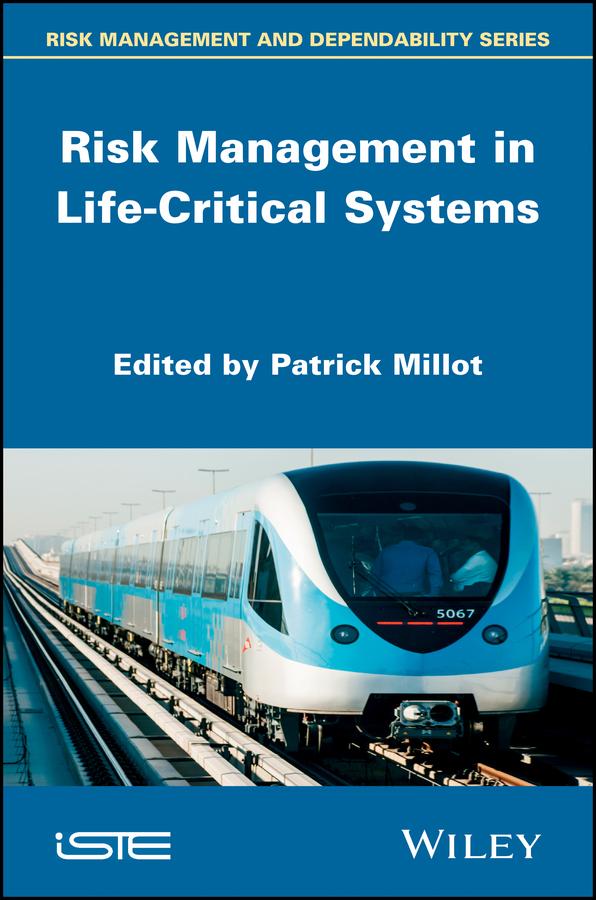
Risk management deals with prevention, decision-making, action taking, crisis management and recovery, taking into account the consequences of unexpected events. The authors of this book are interested in ecological processes, human behavior, as well as the control and management of life-critical systems, which are potentially highly automated. Three main attributes define life-critical systems, i.e. safety, efficiency and comfort. They typically lead to complex and time-critical issues and can belong to domains such as transportation (trains, cars, aircraft), energy (nuclear, chemical engineering), health, telecommunications, manufacturing and services.
The topics covered relate to risk management principles, methods and tools, and reliability assessment: human errors as well as system failures, socio-organizational issues of crisis occurrence and management, co-operative work including human−machine cooperation and CSCW (computer-supported cooperative work): task and function allocation, authority sharing, interactivity, situation awareness, networking and management evolution and lessons learned from Human-Centered Design.
Betal nemt med kort, Klarna, Apple Pay eller Google Pay. Ikke tilfreds? Du har altid 14 dages fortrydelsesret. Læs mere i vores vilkår. Har du spørgsmål, så send os en mail på hello@memmo.org.
Memmo gør det nemmere at studere – uanset hvor du er i verden. Hos os samler du dine kursusbøger og smarte studieværktøjer ét sted: resuméer, quizzer, podcasts og flashcards. Og så er der Ted, din studieven, der svarer på alt, du undrer dig over. Over 50 000 studerende studerer allerede her – bygget til at hjælpe dig med at lære hurtigere og stresse mindre.