
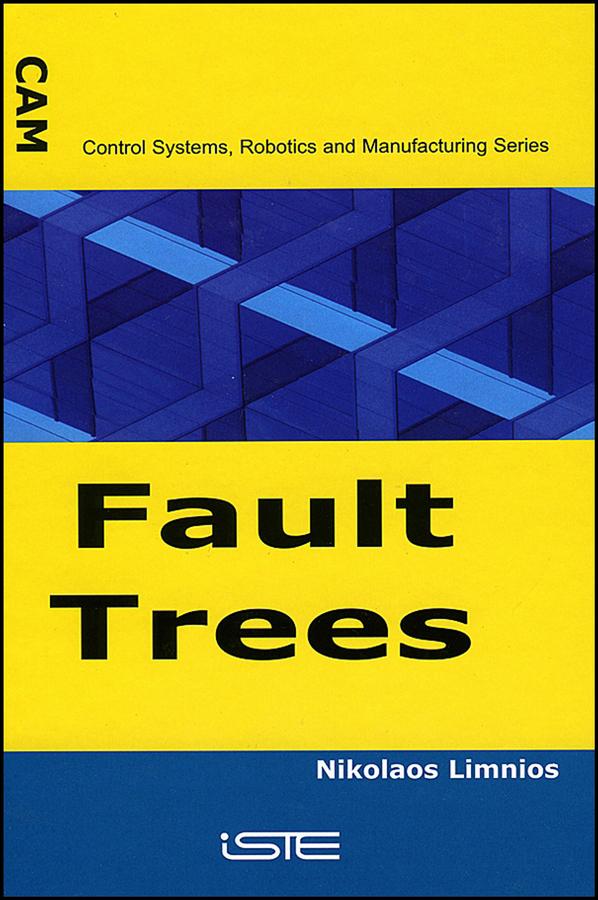
Fault tree analysis is an important technique in determining the safety and dependability of complex systems. Fault trees are used as a major tool in the study of system safety as well as in reliability and availability studies.
The basic methods – construction, logical analysis, probability evaluation and influence study – are described in this book. The following extensions of fault trees, non-coherent fault trees, fault trees with delay and multi-performance fault trees, are also explained. Traditional algorithms for fault tree analysis are presented, as well as more recent algorithms based on binary decision diagrams (BDD).
The basic methods – construction, logical analysis, probability evaluation and influence study – are described in this book. The following extensions of fault trees, non-coherent fault trees, fault trees with delay and multi-performance fault trees, are also explained. Traditional algorithms for fault tree analysis are presented, as well as more recent algorithms based on binary decision diagrams (BDD).
Betal nemt med kort, Klarna, Apple Pay eller Google Pay. Ikke tilfreds? Du har altid 14 dages fortrydelsesret. Læs mere i vores vilkår. Har du spørgsmål, så send os en mail på hello@memmo.org.
Memmo gør det nemmere at studere – uanset hvor du er i verden. Hos os samler du dine kursusbøger og smarte studieværktøjer ét sted: resuméer, quizzer, podcasts og flashcards. Og så er der Ted, din studieven, der svarer på alt, du undrer dig over. Over 50 000 studerende studerer allerede her – bygget til at hjælpe dig med at lære hurtigere og stresse mindre.