
Før Memmo var mine noter spredt ud over PDF'er. Nu samler et workspace alt ét sted – og jeg ser præcis, hvad der er tilbage at læse op på.
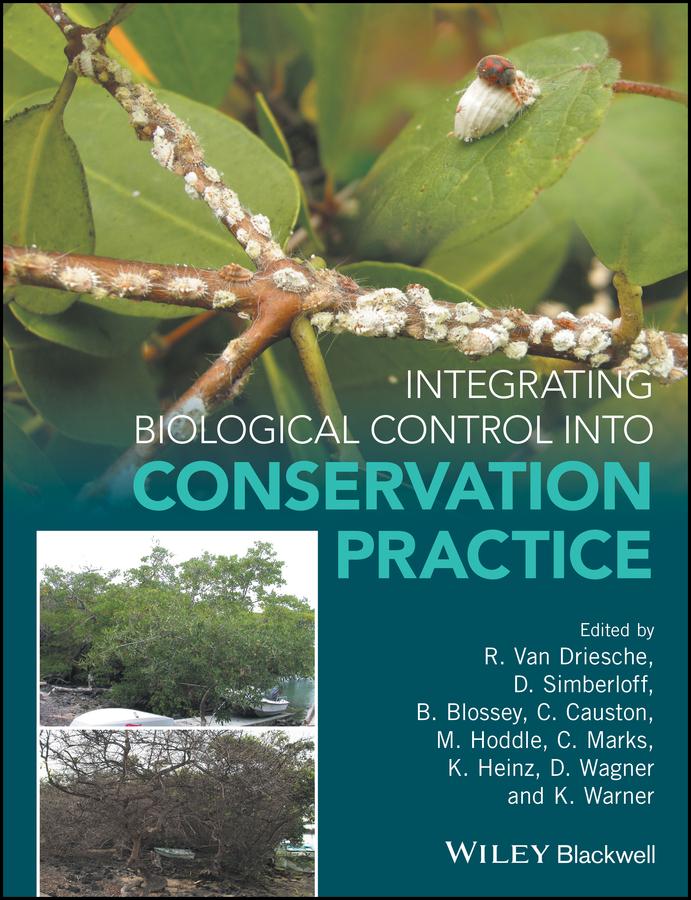
Invasive species have a critical and growing effect upon natural areas. They can modify, degrade, or destroy wildland ecosystem structure and function, and reduce native biodiversity. Landscape-level solutions are needed to address these problems. Conservation biologists seek to limit such damage and restore ecosystems using a variety of approaches. One such approach is biological control: the deliberate importation and establishment of specialized natural enemies, which can address invasive species problems and which should be considered as a possible component of restoration. Biological control can be an effective tool against many invasive insects and plants but it has rarely been successfully employed against other groups. Safety is of paramount concern and requires that the natural enemies used be specialized and that targeted pests be drivers of ecological degradation. While modern approaches allow species to be selected with a high level of security, some risks do remain. However, as in all species introductions, these should be viewed in the context of the risk of failing to reduce the impact of the invasive species.
This unique book identifies the balance among these factors to show how biological control can be integrated into ecosystem restoration as practiced by conservation biologists. Jointly developed by conservation biologists and biological control scientists, it contains chapters on matching tools to management goals; tools in action; measuring and evaluating ecological outcomes of biological control introductions; managing conflict over biological control; and includes case studies as well as an ethical framework for integrating biological control and conservation practice.
Integrating Biological Control into Conservation Practice is suitable for graduate courses in invasive species management and biological control, as well as for research scientists in government and non-profit conservation organizations.
Før Memmo var mine noter spredt ud over PDF'er. Nu samler et workspace alt ét sted – og jeg ser præcis, hvad der er tilbage at læse op på.
Memmos opsummeringer er guld inden eksamen. Jeg slipper for at genlæse 800 sider to uger før – kun de vigtigste dele.
AI-chatten har reddet mig aftenen før en eksamen mere end én gang. Jeg spørger, indtil jeg forstår det – og slipper for at vente på svar i en studiegruppe.
Quizzen rammer præcis det, jeg skal kunne. Memmo holder øje med, hvad jeg har svært ved – så jeg øver mig kun på det, der er det værd.
Flashcards med spaced repetition er magi. Memmo ved, når jeg er ved at glemme noget, og viser det igen.
AI-podcasts er min favorit. Jeg lytter på vej til skole og får en opsummering uden at sidde foran en computer.

Handbok i kvalitativa metoder
281 kr

Hållbar utveckling: en introduktion för ingenjörer och andra problemlösare
334 kr

Brymans Samhällsvetenskapliga metoder
390 kr

Projektledning
491 kr

Den orättvisa hälsan: om socioekonomiska skillnader i hälsa och livslängd
326 kr

Organizational Leadership
429 kr

Vetenskapsteori för nybörjare
196 kr

På väg mot läraryrket
172 kr

Det sociala livet i skolan: Socialpsykologiska perspektiv
253 kr

Betygsättningens didaktik
151 kr

Personality
402 kr

Studying Leadership
404 kr

Managing Innovation
477 kr

Introduktion till samhällsvetenskaplig metod
347 kr

The Psychology of Sex and Gender
698 kr

Introduction to Leadership
605 kr

Evidens och kunskap för socialt arbete
207 kr