
However, it is hard to imagine that this kind of feedstock (extremely pure but heavily penalized by its high energy cost) could remain the only source of silicon for a photovoltaic market which is in continuous expansion, and which has a cumulative growth rate in excess of 30% in the last few years. Even though reports suggest that the silicon share will slowly decrease in the next twenty years, finding a way to manufacture a specific solar grade feedstock in large quantities, at a low cost while maintaining the quality needed, still remains a crucial issue. Thin film and quantum confinement-based silicon cells might be a complementary solution.
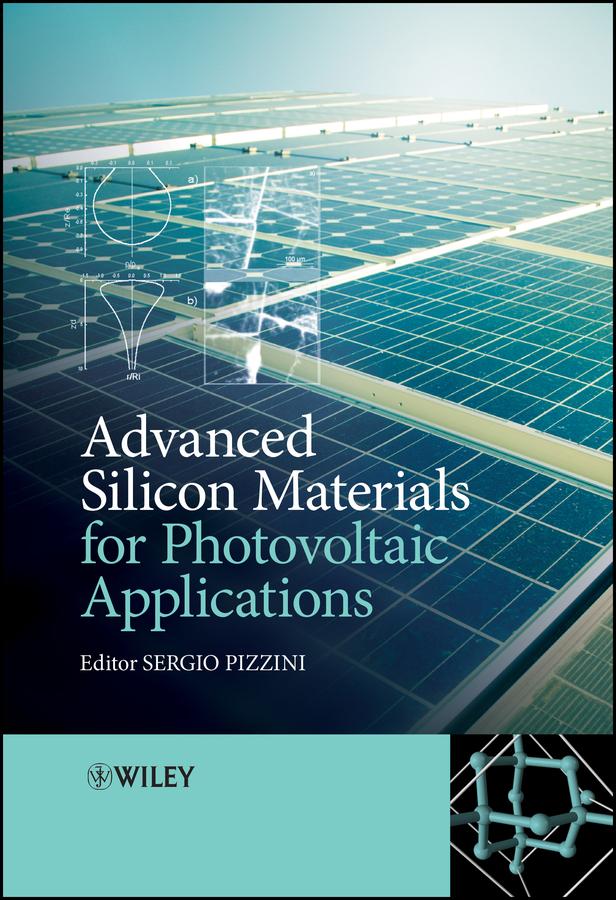
Advanced Silicon Materials for Photovoltaic Applications has been designed to describe the full potentialities of silicon as a multipurpose material and covers:
- Physical, chemical and structural properties of silicon
- Production routes including the promise of low cost feedstock for PV applications
- Defect engineering and the role of impurities and defects
- Characterization techniques, and advanced analytical techniques for metallic and non-metallic impurities
- Thin film silicon and thin film solar cells
- Innovative quantum effects, and 3rd generation solar cells
With contributions from internationally recognized authorities, this book gives a comprehensive analysis of the state-of-the-art of process technologies and material properties, essential for anyone interested in the application and development of photovoltaics.
Betal nemt med kort, Klarna, Apple Pay eller Google Pay. Ikke tilfreds? Du har altid 14 dages fortrydelsesret. Læs mere i vores vilkår. Har du spørgsmål, så send os en mail på hello@memmo.org.
Memmo gør det nemmere at studere – uanset hvor du er i verden. Hos os samler du dine kursusbøger og smarte studieværktøjer ét sted: resuméer, quizzer, podcasts og flashcards. Og så er der Ted, din studieven, der svarer på alt, du undrer dig over. Over 50 000 studerende studerer allerede her – bygget til at hjælpe dig med at lære hurtigere og stresse mindre.