
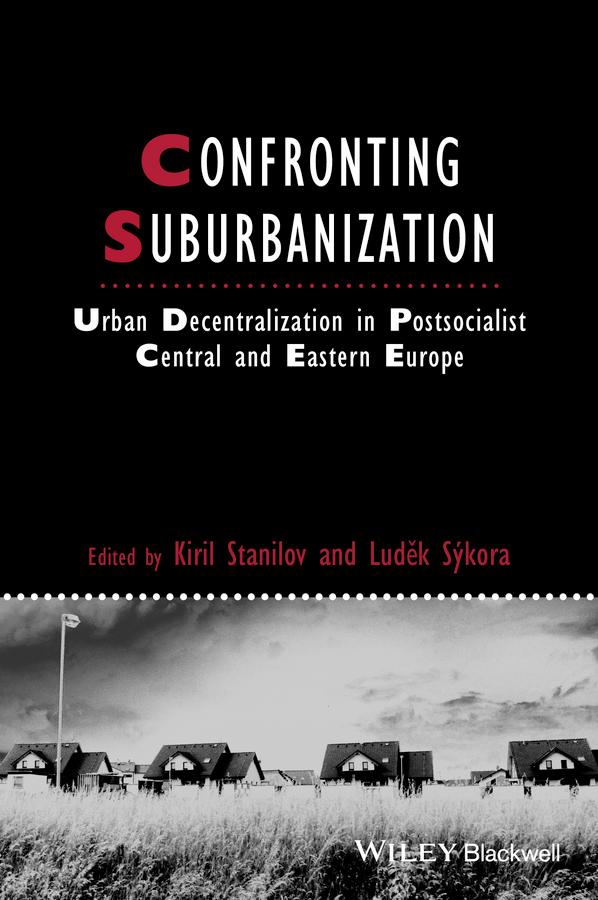
This fascinating book explains the processes of suburbanization in the context of post-socialist societies transitioning from one system of socio-spatial order to another. Case studies of seven Central and Eastern Europe city regions illuminate growth patterns and key conditions for the emergence of sprawl.
- Breaks new ground, offering a systematic approach to the analysis of the global phenomenon of suburbanization in a post-socialist context
- Tracks the boom of the post-socialist suburbs in seven CEE capital city regions – Budapest, Ljubljana, Moscow, Prague, Sofia, Tallinn, and Warsaw
- Situates the experience of the CEE countries in the broader context of global urban change
- Case studies examine the phenomenon of suburbanization along four main vectors of analysis related to development patterns, driving forces, consequences and impacts, and management of suburbanization
- Highlights the critical importance of public policies and planning on the spread of suburbanization
Betal nemt med kort, Klarna, Apple Pay eller Google Pay. Ikke tilfreds? Du har altid 14 dages fortrydelsesret. Læs mere i vores vilkår. Har du spørgsmål, så send os en mail på hello@memmo.org.
Memmo gør det nemmere at studere – uanset hvor du er i verden. Hos os samler du dine kursusbøger og smarte studieværktøjer ét sted: resuméer, quizzer, podcasts og flashcards. Og så er der Ted, din studieven, der svarer på alt, du undrer dig over. Over 50 000 studerende studerer allerede her – bygget til at hjælpe dig med at lære hurtigere og stresse mindre.