
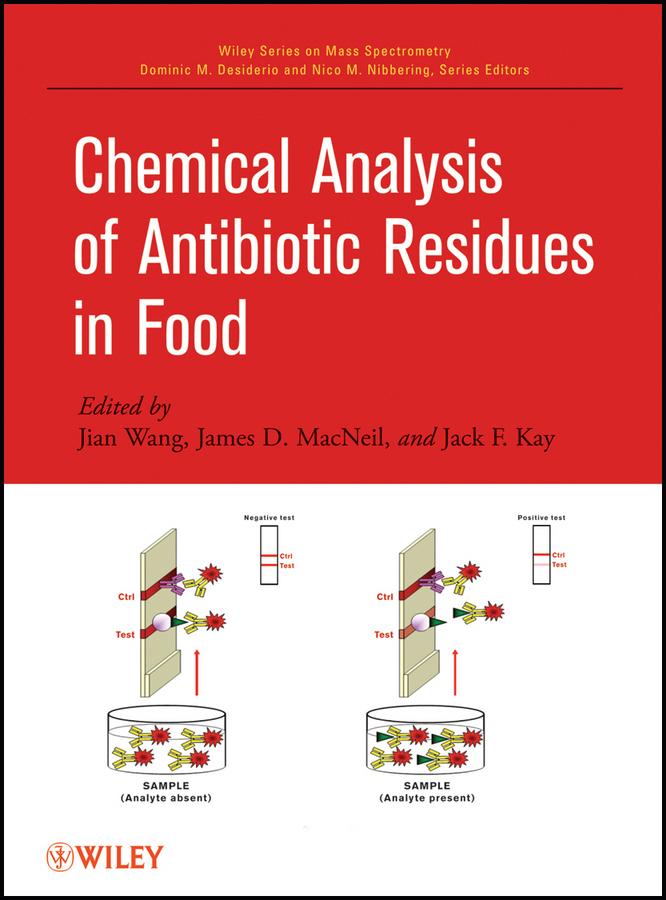
The presence of excess residues from frequent antibiotic use in animals is not only illegal, but can pose serious health risks by contaminating products for human consumption such as meat and milk. Chemical Analysis of Antibiotic Residues in Food is a single-source reference for readers interested in the development of analytical methods for analyzing antibiotic residues in food. It covers themes that include quality assurance and quality control, antibiotic chemical properties, pharmacokinetics, metabolism, distribution, food safety regulations, and chemical analysis. In addition, the material presented includes background information valuable for understanding the choice of marker residue and target animal tissue to use for regulatory analysis. This comprehensive reference:
-
Includes topics on general issues related to screening and confirmatory methods
-
Presents updated information on food safety regulation based on routine screening and confirmatory methods, especially LC-MS
-
Provides general guidance for method development, validation, and estimation of measurement uncertainty
Chemical Analysis of Antibiotic Residues in Food is written and organized with a balance between practical use and theory to provide laboratories with a solid and reliable reference on antibiotic residue analysis. Thorough coverage elicits the latest scientific findings to assist the ongoing efforts toward refining analytical methods for producing safe foods of animal origin.
Betal nemt med kort, Klarna, Apple Pay eller Google Pay. Ikke tilfreds? Du har altid 14 dages fortrydelsesret. Læs mere i vores vilkår. Har du spørgsmål, så send os en mail på hello@memmo.org.
Memmo gør det nemmere at studere – uanset hvor du er i verden. Hos os samler du dine kursusbøger og smarte studieværktøjer ét sted: resuméer, quizzer, podcasts og flashcards. Og så er der Ted, din studieven, der svarer på alt, du undrer dig over. Over 50 000 studerende studerer allerede her – bygget til at hjælpe dig med at lære hurtigere og stresse mindre.