
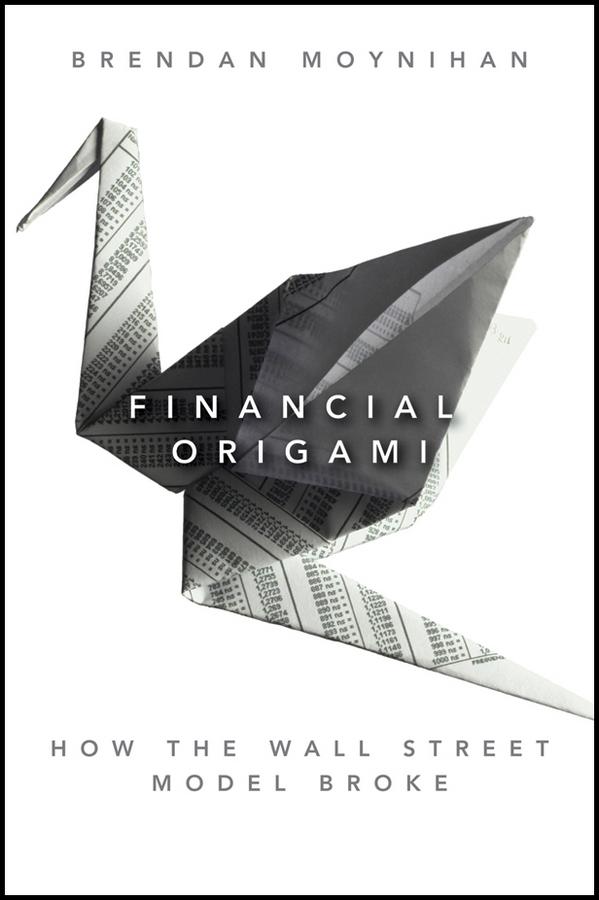
Origami is the Japanese art of folding paper into intricate and aesthetically attractive shapes. As such, it is the perfect metaphor for the Wall Street financial engineering model, which ultimately proved to be the underlying cause of the 2008 financial crisis.
In Financial Origami, Brendan Moynihan describes how the Wall Street business model evolved from a method to transfer risk into a method for manufacturing risk. Along the way, this timely book skillfully dissects financial engineering and addresses how it's often a mechanism to evade regulatory constraints, provide institutional investors with customized products, and, of course, generate revenue for financial engineers.
- Reveals how Wall Street's financial engineering business model morphed into something destructive
- Highlights how the origami model worked well in the comparatively stable years of the early 2000s, when there was less risk to transfer
- Discusses how Wall Street began manufacturing risk by creating products that multiplied risk exposures and encouraged subprime lending
With the collapse of Lehman Brother the Wall Street business model effectively broke. But there are many lessons to be learned from what has transpired, and Financial Origami will show you what they are.
Betal nemt med kort, Klarna, Apple Pay eller Google Pay. Ikke tilfreds? Du har altid 14 dages fortrydelsesret. Læs mere i vores vilkår. Har du spørgsmål, så send os en mail på hello@memmo.org.
Memmo gør det nemmere at studere – uanset hvor du er i verden. Hos os samler du dine kursusbøger og smarte studieværktøjer ét sted: resuméer, quizzer, podcasts og flashcards. Og så er der Ted, din studieven, der svarer på alt, du undrer dig over. Over 50 000 studerende studerer allerede her – bygget til at hjælpe dig med at lære hurtigere og stresse mindre.