
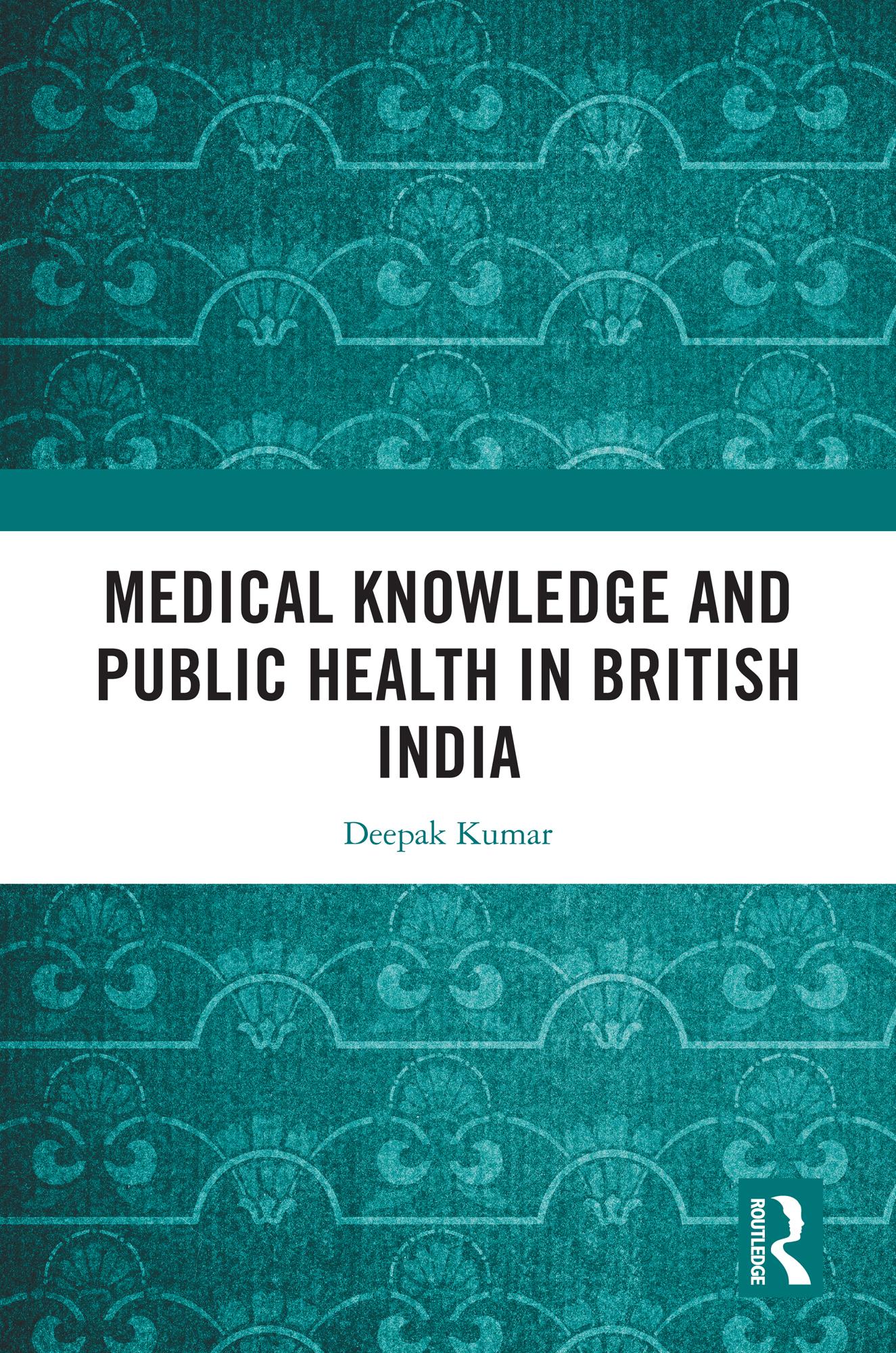
Interrogating the notion of medical knowledge and public health practices in colonial India, this volume explores the complex encounters between Western medical systems and indigenous healing traditions during British rule. The book examines how colonial medical institutions functioned as instruments of both care and control, while indigenous practices retained their relevance among the masses. Through detailed case studies including W.M. Haffkine's plague vaccine campaigns, the Rockefeller Foundation's public health interventions, and the evolution of medical research under colonial constraints, the book reveals the multifaceted nature of medical encounters at various sites between 1820 and 1920. The analysis extends to examining the Indian Medical Gazette as a mirror reflecting contemporary medical debates, the contours of medical research in a colonial laboratory, and comparative perspectives from other colonies in Southeast Asia and East Africa. The work demonstrates how medical knowledge became a contested terrain where scientific advancement, colonial politics, and indigenous resistance intersected.
This book will be of significant interest to historians of medicine, colonial studies scholars, public health professionals, sociologists, and policy planners seeking to understand the historical foundations of contemporary medical systems in South Asia. It offers valuable insights for postgraduate students and researchers in medical history, colonial history, public health, and South Asian studies.
Betal nemt med kort, Klarna, Apple Pay eller Google Pay. Ikke tilfreds? Du har altid 14 dages fortrydelsesret. Læs mere i vores vilkår. Har du spørgsmål, så send os en mail på hello@memmo.org.
Memmo gør det nemmere at studere – uanset hvor du er i verden. Hos os samler du dine kursusbøger og smarte studieværktøjer ét sted: resuméer, quizzer, podcasts og flashcards. Og så er der Ted, din studieven, der svarer på alt, du undrer dig over. Over 50 000 studerende studerer allerede her – bygget til at hjælpe dig med at lære hurtigere og stresse mindre.