
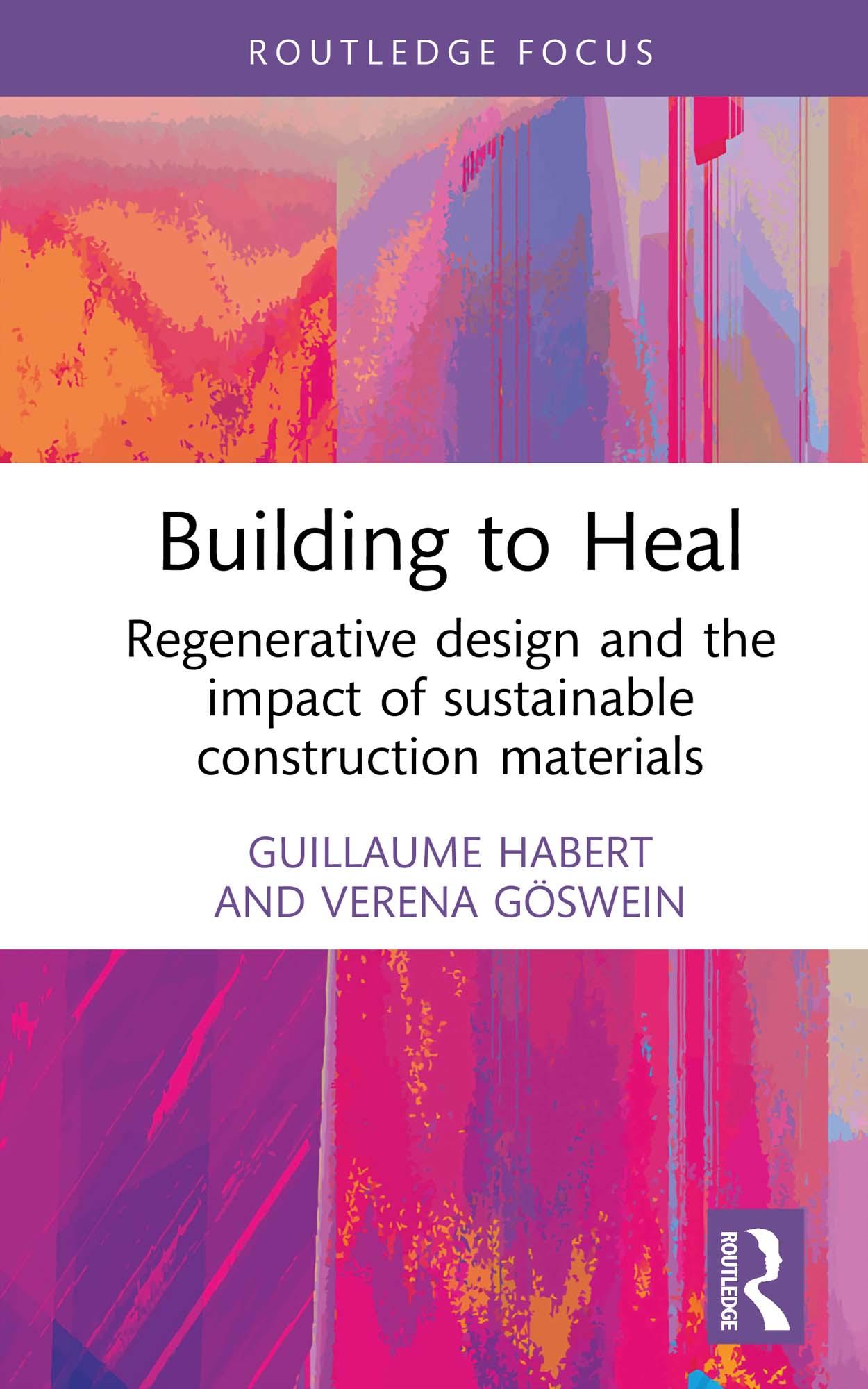
The built environment is a major source of greenhouse emissions, but this book aims to show that buildings shouldn’t be seen only as a problem but rather as a steppingstone towards environmental solutions and better opportunities for people and planet. Research has shown that depending on the choice of materials, buildings can also improve the environment, increase the health quality of their inhabitants, and activate local and interconnected supply chains that can strengthen the local economy. The central argument of this book is that in order to achieve these goals, we have to change our material diet. Rather than using carbon-intensive building materials we can and must use regenerative materials. This book shows that this is possible and that we have the required land, the economic power, and the technical standards to do it.
Written for a broad audience of city planners, politicians, and decision-makers who have the power to transform the building sector, this book also targets investors and developers so that they can understand existing threats to their assets with a business-as-usual approach and find in this book solutions to allow new development to be future proofed towards climate change and health requirements. The solutions proposed will also be of interest to architects and engineers and equally for those who are living and owning buildings and can take an active role and demand the use of such regenerative building materials.
Betal nemt med kort, Klarna, Apple Pay eller Google Pay. Ikke tilfreds? Du har altid 14 dages fortrydelsesret. Læs mere i vores vilkår. Har du spørgsmål, så send os en mail på hello@memmo.org.
Memmo gør det nemmere at studere – uanset hvor du er i verden. Hos os samler du dine kursusbøger og smarte studieværktøjer ét sted: resuméer, quizzer, podcasts og flashcards. Og så er der Ted, din studieven, der svarer på alt, du undrer dig over. Over 50 000 studerende studerer allerede her – bygget til at hjælpe dig med at lære hurtigere og stresse mindre.