
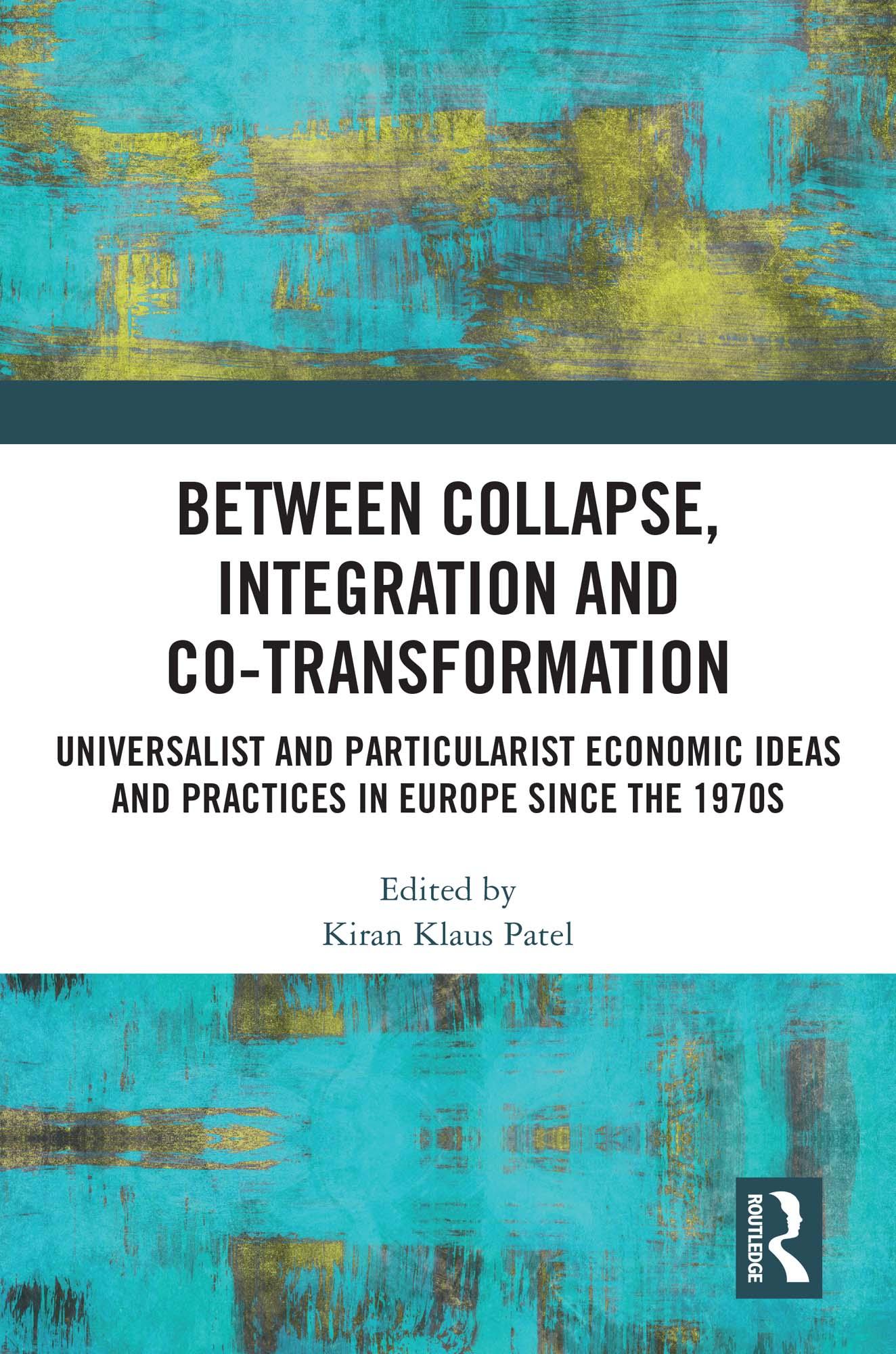
This book comprises a collection of essays that delves into the economic history of Europe since the 1970s, offering a fresh perspective on the period by examining the interplay between universalist and particularist claims to validity. By exploring how these claims were constructed, justified, and contested, this book sheds new light on the ways they shaped political and social change in contemporary European history. Through a critical analysis of the economy as a dynamic field, the essays uncover the complexities of universalist and particularist concepts, their interactions, and the tensions they generate, providing a nuanced understanding of their role in shaping modern Europe.
Focusing on the intersection of economic history, political theory, and social change, this book will appeal to students, scholars, and readers interested in European history, economic thought, and the evolution of contemporary political ideologies. It is particularly relevant for those studying the historical roots of current debates on globalization, identity, and the challenges to universalist ideals in an increasingly fragmented world.
The chapters in this book were originally published as a special issue of the European Review of History.
Betal nemt med kort, Klarna, Apple Pay eller Google Pay. Ikke tilfreds? Du har altid 14 dages fortrydelsesret. Læs mere i vores vilkår. Har du spørgsmål, så send os en mail på hello@memmo.org.
Memmo gør det nemmere at studere – uanset hvor du er i verden. Hos os samler du dine kursusbøger og smarte studieværktøjer ét sted: resuméer, quizzer, podcasts og flashcards. Og så er der Ted, din studieven, der svarer på alt, du undrer dig over. Over 50 000 studerende studerer allerede her – bygget til at hjælpe dig med at lære hurtigere og stresse mindre.