
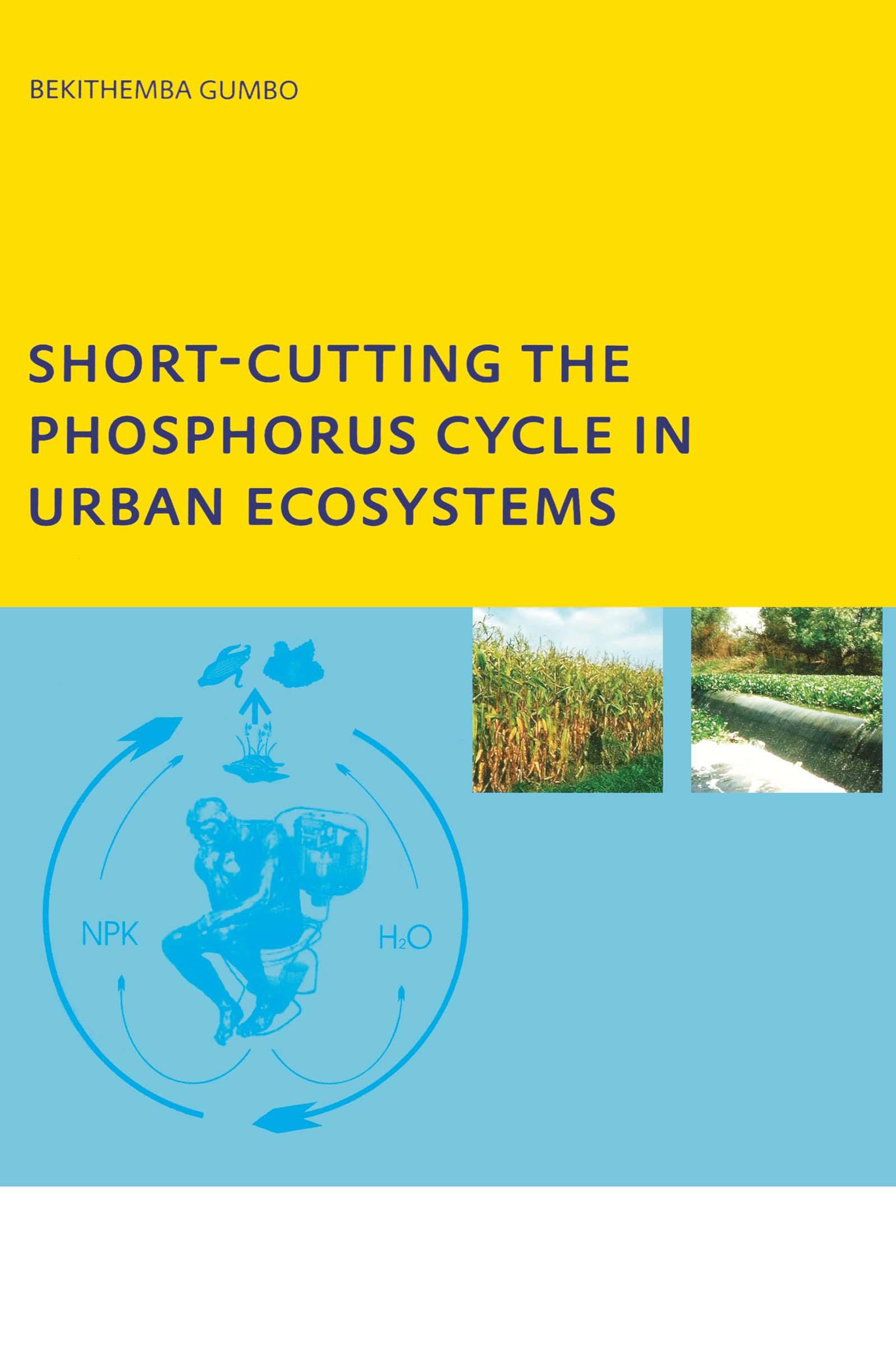
This dissertation presents a methodology of short-cutting the phosphorus cycle in urban ecosystems. In nature, the P-cycle is a circular, closed-loop system, but human activities use and dispose P in a linear, open-ended system leading to the customary environmental problems. Lake Chivero in Zimbabwe is used as a case study to illustrate the unsustainable practice of discharging valuable and finite phosphorous into drinking water resources. Short-cutting or closing the P-cycle in the urban environment is closely related to the closure of water cycles. Closing the P-cycle is dependent on the adoption of ecological sanitation and eco-city concepts. These concepts lead to solutions, which are source orientated (local and small scale), non-mixing, ecologically sound, closed-loop systems. Recycling of P in urban ecological agriculture (without synthetic fertilisers) is used in this dissertation to test the feasibility of these concepts. A phosphorus calculator has been developed, based on studies of monthly P-fluxes and stocks, in a high-density suburb of Harare in Zimbabwe, where agriculture is an established activity.
Betal nemt med kort, Klarna, Apple Pay eller Google Pay. Ikke tilfreds? Du har altid 14 dages fortrydelsesret. Læs mere i vores vilkår. Har du spørgsmål, så send os en mail på hello@memmo.org.
Memmo gør det nemmere at studere – uanset hvor du er i verden. Hos os samler du dine kursusbøger og smarte studieværktøjer ét sted: resuméer, quizzer, podcasts og flashcards. Og så er der Ted, din studieven, der svarer på alt, du undrer dig over. Over 50 000 studerende studerer allerede her – bygget til at hjælpe dig med at lære hurtigere og stresse mindre.